4 Tips on Getting Your Ecommerce Store Ready for Black Friday/Cyber Monday

Since we have a little bit of time left before the holiday shopping season gets into gear, it’s a good time to go over your website to ensure that you’re prepared for the holidays. You want your prospective customers to spend as much time as they can browsing your site, so here are some checkup ideas that you can do now in preparation for the shopping frenzy.

Website Speed
The slower the speed, the less likely shoppers will stick around to browse your catalog. No matter where you host your site, your shop should be able to handle an uptick in shoppers for the holidays. That might mean that you have to rethink your hosting plan. Even the most professional sites can go down during a surge in traffic, so make sure that your plan is able to handle a lot of visitors.

If you host on sites like Shopify, you don’t have to worry about the traffic level; they are equipped to handle it for you, but you do need to make sure that your website speed is healthy. 

Sites like GTMetrix let you check your performance and speed by scanning the site. https://gtmetrix.com/

Another point to consider before the holidays: back up your site to your hard drive in the unlikely event that something happens to the host during the holidays. You should always back up your site anyway, but it’s really important at this point during the year.

Mobile Optimization
Those marketing people in the know anticipate that the 2022 shopping season will blow away all of the previous years’ shopping statistics. Of those new shoppers, at least 40% will be coming in from their phones. This includes both Black Friday and Cyber Monday, and most likely Small Business Saturday. There are billions of dollars’ worth of reasons to make sure your site is mobile friendly.

If your site is on Indiemade, Etsy, Shopify or any of the other big players, then you can be assured that the mobile optimization has already been done for you. If you are not on a big player, here are the steps you need to improve your mobile performance.:

  • Make sure you are using a responsive theme (these use percentages rather than hard pixel counts)
  • Make sure your site speed is fast
  • Get rid of pop-ups on your site
  • Keep the design simple
  • Use larger fonts
  • Make the checkout buttons bigger
  • Do not use Flash or other animations that can cover a phone screen – that includes web banners

Navigation
You want your visitors to explore your website, so make navigation simple and easy for them. The catalog tree should spell everything out, or have category photos. You need to divide your categories in a logical manner.

All of your navigation texts or buttons should be clickable, and every image needs an ALT text for both SEO and for visually impaired individuals.

Make sure your search engine works on your site, and that is returns the expected results. Some search engine add-ons are very broad and return a large selection of unwanted results.

All of your section titles should be pertinent.

Easy Checkout
The most important part of the checkout process is that the payment is secure. You will have secure checkout with any of the big ecommerce sites like Shopify, Etsy or Indiemade, but if you have built your own site, you may need to ensure that your payment processor and the checkout coding is secure.

If possible, add more than one checkout spot on a page. Places to add checkout buttons include at the top, and towards the bottom of the page description.

If you can, simplify the checkout process by reducing fields for the customer to fill out. Some payment sites allow for one button checkout like Paypal or Amazon. When you use these for payment processors, you can just add the buttons and the customer goes directly to their payment page.

You can add a guest checkout option where people do not have to create an account to shop from you. This is a good option, but it also means that the customer will have to fill out the information again if they come back to buy more. They still have to fill out the shipping information. 

After you make improvements to your site, test it and test it again. Make sure that everything is working.

Once you have your site ready for extra traffic, get your marketing plan together, so you can drive more sales to your new website. 

4 Ecommerce Marketing Product Promotion Mistakes to Avoid

It's a waste of ecommerce marketing money if you make mistakes. Here are four marketing mistakes that I made, so you don't have to. Read more

I’ve made all of these marketing mistakes so you don’t have to.  Not only are these marketing mistakes a waste of time, but they can also become quite expensive. Especially if you have advertising dollars attached to your promotion, which I did. Social media ads and Google ads seem like they are inexpensive, but when everything is added up, they can be costly.

While my marketing failures are all around my handmade products, these mistakes can apply to any product, handmade or manufactured, product that you want to promote and sell. Even e-books. 

Here are some product promotion marketing mistakes to avoid:

No Marketing Plan

When deciding to do a promotional event like a giveaway or discount, have a plan in place that covers all of the steps leading up to launch day. A marketing plan starts with a goal.

Do you know what you’re trying to achieve with the event? Are you looking for more subscribers? Do you want to sell more products? Will you be collecting names? Or just more traffic to your website or blog?

Until you can define your goal, you can’t make a marketing plan, and without a plan, how can you measure your results?

Marketing to the Wrong Audience

If you don’t know who buys your product or reads your blog, then you’ll end up marketing to the wrong group of people, which is a waste of time and money.

Start your marketing plan by finding out who your customers are. It’s important to know things like their age group, financial situation, gender, similar interests and more.

If you’re using social media or search engine ads, you can narrow the groups down to a small, select target. It’s better to market to a small group than a broad target, and you can’t know what that small group is until you figure out who your customers are. If you want to read more about digital marketing, check out this post.

Fail to Track Your Marketing Results

When you finish your ad campaign or promotional event, you won’t know if you were successful in reaching the right people until you see the analytics from the event. If it’s a social media ad or search engine ad, then the analytics are available to you on the dashboard.

If you’re tracking traffic on your website, you should be able to tell where the traffic went and where it came from. While some web hosts make you pay for upgraded analytics, most have a basic traffic analysis on the admin panel.

You may be able to get an idea of its success rate by how many products you sold, how many people signed up or how many social media shares you got for your blog post, but they won’t tell you where the traffic came from or how they found you.

Fail to Measure Your Marketing Results

From the traffic information you get on your website, the advertising campaign or email campaign dashboards, if you don’t measure these results and apply them to your next campaign, you might as well just throw the money away.

No matter how hard you plan, how much your target your audience, how far you track your statistics and how you measure your results, some campaigns are doomed to fail. However, all you can do is tweak it and start over. Sometimes the timing isn’t right. Sometimes events out of your control happen like a hurricane hitting the place where most of your customers come from, and sometimes, your product falls flat like a deflated balloon because no one wants a trick or treat bag in June.

While taking these promotional mistakes to avoid into consideration, also consider that you aren’t the first to make a mistake. If you want to see some spectacular marketing fails, then check out this story from Eventbrite in the U.K. You are not alone.

You might find the following books helpful in creating your marketing and promotion plans. Some of them are Kindle Unlimited, which means you can read them for free as long as you have a Kindle Unlimited membership. Try out Kindle Unlimited here. 


The following ecommerce marketing books are all available to read for free with the Kindle Unlimited plan, but they are also inexpensive to own.

The 1-Page Marketing Plan – Allan Dib

How to Sell on Etsy with Facebook 

The Book on Facebook Marketing

Comments! I love comments, so feel free to let me know what you liked or disliked about this post, or even other topic ideas you might want to read.

If you liked this post, please share it with the world!

4 Product Promotion Mistakes to Avoid

I’ve made all of these mistakes so you don’t have to.  Not only are these mistakes a waste of time, but they can also become quite expensive. Especially if you have advertising dollars attached to your promotion, which I did. Social media ads and Google ads seem like they are inexpensive, but when everything is added up, they can be costly.

While my marketing failures are all around my handmade products, these mistakes can apply to any product, handmade or manufactured, product that you want to promote and sell. Even e-books. 

Here are some promotion mistakes to avoid:

No Marketing Plan

When deciding to do a promotional event like a giveaway or discount, have a plan in place that covers all of the steps leading up to launch day. A plan starts with a goal.

Do you know what you’re trying to achieve with the event? Are you looking for more subscribers? Do you want to sell more products? Will you be collecting names? Or just more traffic to your website or blog?

Until you can define your goal, you can’t make a plan, and without a plan, how can you measure your results?

Wrong Audience

If you don’t know who buys your product or reads your blog, then you’ll end up marketing to the wrong group of people, which is a waste of time and money.

Start your marketing plan by finding out who your customers are. It’s important to know things like their age group, financial situation, gender, similar interests and more.

If you’re using social media or search engine ads, you can narrow the groups down to a small, select target. It’s better to market to a small group than a broad target, and you can’t know what that small group is until you figure out who your customers are.

Fail to Track Your Results

When you finish your ad campaign or promotional event, you won’t know if you were successful in reaching the right people until you see the analytics from the event. If it’s a social media ad or search engine ad, then the analytics are available to you on the dashboard.

If you’re tracking traffic on your website, you should be able to tell where the traffic went and where it came from. While some web hosts make you pay for upgraded analytics, most have a basic traffic analysis on the admin panel.

You may be able to get an idea of its success rate by how many products you sold, how many people signed up or how many social media shares you got for your blog post, but they won’t tell you where the traffic came from or how they found you.

Fail to Measure Your Results

From the traffic information you get on your website, the advertising campaign or email campaign dashboards, if you don’t measure these results and apply them to your next campaign, you might as well just throw the money away.

No matter how hard you plan, how much your target your audience, how far you track your statistics and how you measure your results, some campaigns are doomed to fail. However, all you can do is tweak it and start over. Sometimes the timing isn’t right. Sometimes events out of your control happen like a hurricane hitting the place where most of your customers come from, and sometimes, your product falls flat like a deflated balloon because no one wants a trick or treat bag in June.

While taking these promotional mistakes to avoid into consideration, also consider that you aren’t the first to make a mistake. If you want to see some spectacular marketing fails, then check out this story from Eventbrite in the U.K. You are not alone.

You might find the following books helpful in creating your marketing and promotion plans. Some of them are Kindle Unlimited, which means you can read them for free as long as you have a Kindle Unlimited membership. Try out Kindle Unlimited here. 


The following books are all available to read for free with the Kindle Unlimited plan, but they are also inexpensive to own.

The 1-Page Marketing Plan – Allan Dib

How to Sell on Etsy with Facebook 

The Book on Facebook Marketing

4 Ecommerce Sites for Handmade Sellers

When I started my website, the year was 1997. I was selling hand-drawn graphics and hand-drawn fonts. I also sold products I made from my fractal art that included mousepads, posters, t-shirts and coffee mugs. All of this was before there was even an eBay. I found a payment processor that would handle my credit card sales, but mostly, people sent me checks, and I sent them the product. My website was all coded by me, and it was a very simple site. You see it; you like it; you buy it. I didn’t even have the benefit of Google.

In 2004, when I opened www.bluemorningexpressions.com, I hand-coded my site, but I also dabbled on eBay with my handmade beads and polymer clay work. When Etsy started in 2006, I opened a store there, as well.  Since this time, I have moved on from Etsy and am focused on my site, but for those who are looking for a viable site for handmade sellers, here are some of the places that I have found to be good choices.

Handmade-Friendly Sites

Indiemade for Handmade Sellers

I have several friends who have made the move to Indiemade. They moved in this direction several years ago when other handmade sites either failed or provided a miserable seller’s experience.

This website/eCommerce solution offers the sellers a solid place to sell their wares. They only support handmade, so you don’t have to compete with bulk resellers. You do have to do your own promoting since they don’t have the built-in traffic as Etsy does. They also have a blog, so you can generate traffic to your site by writing about your product.

Here is an example of a couple of my friends on Indiemade:
https://www.shadowdogdesigns.com/
https://victorianstyletreasures.indiemade.com/

Click below to learn more about Indiemade.

Create Your Artist Websites

Etsy for Handmade Sellers

While Etsy has been around a long time, its focus has been less and less on the handmade artist and more on supplies and other mass-produced items. While there is a need for supplies in bulk, there have always been plenty of places to find those on the web rather than having the sellers infiltrate a handmade site.

As well, they allow for manufacturing partners now that make mass-produced items even easier to sell. Yes, this helps me sell my pillows, prints and mugs, but I don’t have them listed on Etsy for sale. About once a year, I use Etsy to push my handmade beads when sales slow down for me on other venues.

The search engine on Etsy has always been wrong-headed by making you cram all the keywords into the title and description rather than the more organic and natural flow of the current Google search engine.

The key to Etsy, if you want to go that route, is that they have built-in traffic that goes through their homepage, so you don’t have to do all of your own promoting.

Here is one of my friend’s Etsy site:
https://www.etsy.com/shop/Thesingingbeader

Amazon for Handmade Sellers

When Amazon decided to open up to handmade and give Etsy a run for their money, I signed up immediately. There are a lot of people who shop on Amazon, so I saw no reason to not take the time to get my handmade items in front of as many people as I could.

It is not listing-friendly, and there are a lot of pitfalls to selling on Amazon, but there are a lot of really great benefits from doing it, too. I sell a lot of my regular bread and butter things on Amazon like keyrings, thimbles and other things that I can quickly reproduce.

Here is a link to my shop on Amazon Handmade:

While not handmade-specific, Shopify has an extensive suite of tools that handmade artists can take advantage of to build a robust site with everything from payment processing to SEO management.

Handmade sellers – Do you need a Shopify account? Click below to learn more

Shopify for Handmade Sellers


When I got tired of coding my website and decided that Etsy had become too big as they moved away from handmade, I shopped around for a website/eCommerce solution that would meet my handmade needs while making it easy for me to do business.

I always liked to build my own sites because I felt like I had better control over things and was not relying on one site to keep me in business. While I still feel that way, after six or seven years with Shopify, I can say that I’m glad that I no longer have to waste my time redoing the site every time something changes on the web. I only have to concentrate on selling my handmade beads.  

Here is my site:
https://bluemorningexpressions.myshopify.com/

No matter which direction you choose to go, it’s better to focus on a marketplace or eCommerce solution that supports the needs of handmade sellers over mass-produced products.

If you find this information useful, then please share it with your friends. If you have any suggestions on how to make it better, then please contact me or comment below. I am always open to suggestions.

Looking for more tips? Check out the list at the bottom of the post for more ecommerce articles.

[pt_view id=”61e96b03dy”]

Budget Marketing: 3 Inexpensive Ways to Promote Your Products

So, you have this really great product that you think everyone would love to have, and you have a marketing budget of about zero. What do you do?

There are a lot of ways to tackle this situation, but most of the advice out there focuses on spending lots of money on social media posts and search engine ads. What do you do if you do not have a lot of money set aside for any type of advertising?

Here are some great little budget marketing tricks that will not cost you a lot of money, and most of them are quite simple to set up. The only downside to budget marketing is that getting the results you want might take longer than you had hoped. Not forever, but a little longer than doing Facebook blasts of your latest product.

Take a look at the following cheap product promotion ideas to see if anything inspires you:

Budget Marketing Ideas 

  • Networking

If you are already on Facebook or Twitter, create a group for people like you who are struggling. Don’t focus the group on your products, but focus it on networking and helping other online business owners get sales.

There are so many groups on Facebook, and the web in general, that it is really easy to find like-minded people who are struggling every day to get traffic to their stores and listings. If you create a group where you can all come together, you can create an atmosphere where everyone helps each other independently of the group.

10 artists in a group can share the other nine artists’ work with their followers, which increase their exposure to more people. Networking has always been the key to getting more sales. From the first elixir wagon in western towns to today’s internet age, sharing information is the easiest thing to do and the least expensive.

  • Email marketing

If you have an email list, then send out emails to your customers. Email still gets the highest response rate of all advertising, and it is either free or very inexpensive. Take your time crafting your subject line, your header and your email body so that it reflects your perfect customer’s desires.

What if you don’t have an email list? It’s okay. You can start one by doing a giveaway of one of your products. You tell everyone on your social media accounts that you have a giveaway and ask them to sign up to be eligible to win. There are some rules around giveaways on Facebook, so make sure that you understand what you can and cannot do before your set out on a giveaway. Then take the email information you get and put them on your email list. Make sure that when they sign up, they know they are getting future emails from you.

Even if you only have one sale, you have one person on your email list, so email them.


Put a THANK YOU sticker on every order you send out! Remind them that they are appreciated. 

  • Referrals

Do you already have great customers who have purchased your items? Ask them for a referral. It is easy to put stickers on your products that ask for referrals, or you can set up a referral fee or free products in exchange for referrals. This type of inexpensive marketing is done all the time from the top companies to the small business owner.

There are a lot of budget marketing promotion ideas that won’t cost you a lot of money, so if these product promotion ideas do not work at first, keep working at them until you start to see the sales come in. From there, it will be hard to keep up.

.  

Use a Referral sticker on all of your orders to ask for the next order!

If you find this information useful, then please share it with your friends. If you have any suggestions on how to make it better, then please contact me. I am always open to suggestions.

Looking for more tips? Check out the list at the bottom of the post for more ecommerce articles.

Read the 1 Page Marketing Plan book for even more tips and tricks on budget marketing. Sometimes, this is included in the Kindle Unlimited program, so you can read for free! Don’t have Kindle Unlimited? Get it here:

Kindle Unlimited

[pt_view id=”61e96b03dy”]

3 Inexpensive Ways to Promote Your Products

So, you have this really great product that you think everyone would love to have, and you have a marketing budget of about zero. What do you do?

There are a lot of ways to tackle this situation, but most of the advice out there focuses on spending lots of money on social media posts and search engine ads. What do you do if you do not have a lot of money set aside for any type of advertising?

Here are some great little marketing tricks that will not cost you a lot of money, and most of them are quite simple to set up. The only downside to marketing without money is that getting the results you want might take longer than you had hoped. Not forever, but a little longer than doing Facebook blasts of your latest product.

Take a look at the following cheap product promotion ideas to see if anything inspires you:

Budget Marketing Ideas 

  • Networking

If you are already on Facebook or Twitter, create a group for people like you who are struggling. Don’t focus the group on your products, but focus it on networking and helping other online business owners get sales.

There are so many groups on Facebook, and the web in general, that it is really easy to find like-minded people who are struggling every day to get traffic to their stores and listings. If you create a group where you can all come together, you can create an atmosphere where everyone helps each other independently of the group.

10 artists in a group can share the other nine artists’ work with their followers, which increase their exposure to more people. Networking has always been the key to getting more sales. From the first elixir wagon in western towns to today’s internet age, sharing information is the easiest thing to do and the least expensive.

  • Email marketing

If you have an email list, then send out emails to your customers. Email still gets the highest response rate of all advertising, and it is either free or very inexpensive. Take your time crafting your subject line, your header and your email body so that it reflects your perfect customer’s desires.

What if you don’t have an email list? It’s okay. You can start one by doing a giveaway of one of your products. You tell everyone on your social media accounts that you have a giveaway and ask them to sign up to be eligible to win. There are some rules around giveaways on Facebook, so make sure that you understand what you can and cannot do before your set out on a giveaway. Then take the email information you get and put them on your email list. Make sure that when they sign up, they know they are getting future emails from you.

Even if you only have one sale, you have one person on your email list, so email them.


Put a THANK YOU sticker on every order you send out! Remind them that they are appreciated. 

  • Referrals

Do you already have great customers who have purchased your items? Ask them for a referral. It is easy to put stickers on your products that ask for referrals, or you can set up a referral fee or free products in exchange for referrals. This type of inexpensive marketing is done all the time from the top companies to the small business owner.

There are a lot of cheap product promotion ideas that won’t cost you a lot of money, so if these product promotion ideas do not work at first, keep working at them until you start to see the sales come in. From there, it will be hard to keep up.

.  

Use a Referral sticker on all of your orders to ask for the next order!

If you find this information useful, then please share it with your friends. If you have any suggestions on how to make it better, then please contact me. I am always open to suggestions.

Looking for more tips? Subscribe to the RSS feed for more tips on how to market on a budget.  

Read the 1 Page Marketing Plan book for even more tips and tricks. Sometimes, this is included in the Kindle Unlimited program, so you can read for free! Don’t have Kindle Unlimited? Get it here:

Kindle Unlimited

Am I Ready for a Beta Reader?

You’ve written and rewritten your novel. You’re happy with it and think it’s ready to see an agent or publisher. You might be ready for a beta reader. Are Beta Readers Necessary?Let’s look at what a beta reader does for you:They are your best friend during the writing process. Not the alpha reader because they always find something wrong, but the beta reader is the one person you trust with your manuscript.Here’s what they do:

  • Read your draft be it a novel, screenplay, or any other written word
  • Offer feedback on your work
  • Their feedback helps improve the work and make it publisher ready
  • They point out plot holes
  • They point out any confusing areas in your novel
  • They critique the pace, the dialog, the style, and whether your character had two different shoes on  – hey, it happens
  • They help you make the story engaging and point out weaknesses

 Your beta reader will help you be a better author, as well as help you refine your work and make it the best it can be. Where can I find a Beta Reader? There are many places where you can find beta readers:

Writing communities: Join writing communities, either online or in-person and ask if anyone is interested in being a beta reader. You’ll find writing communities online, and some of them are genre specific, so if you’re writing a cozy, then check out the cozy writing group on Facebook. You can also look for local writer groups.

Online sites: There are several online sites like Scribophile, Critique Circle, and Wattpad specifically designed to connect writers with beta readers.

Friends and Family Plan: Reach out to friends, family, and co-workers that are not mad at you (reduces the negativity) to read your manuscript. Beware of people who will just say anything to please you because they love you. That’s not helpful. 

Professional beta readers: Consider hiring a professional beta reader or editor if you’re looking for more in-depth feedback on your work. Do a Google search for a professional beta reader or check out the jobs boards. Stay away from cheap rates. You get what you pay for.


​Regardless of where you find beta readers, it’s important to provide clear guidelines for what you’re looking for in their feedback.  Having a beta reader who you trust and who has a good understanding of your writing goals can be extremely valuable in helping you improve your work.

amzn_assoc_placement = “adunit0”; amzn_assoc_search_bar = “true”; amzn_assoc_tracking_id = “julielclevela-20”; amzn_assoc_ad_mode = “manual”; amzn_assoc_ad_type = “smart”; amzn_assoc_marketplace = “amazon”; amzn_assoc_region = “US”; amzn_assoc_title = “My Amazon Picks”; amzn_assoc_linkid = “379d4944c31f8fcdd2d02291119e02a0”; amzn_assoc_asins = “B07MQRYQKK,1732993971,B07J3D4PHM,B08DSBVYBJ,B07PD6P1GM,B07SWV1RXN,B07MDL1BHV,B072FM8FNZ”; //z-na.amazon-adsystem.com/widgets/onejs?MarketPlace=US

What are Some Beta Reader Questions I should Ask?


When working with a beta reader, it can be helpful to provide them with specific questions to guide their feedback. Here are some questions you might consider asking:

  • What did you think of the plot and pacing of the story?
  • Were the characters well-developed and believable?
  • Was the dialogue natural and convincing?
  • Were there any scenes or parts of the story that were confusing or unclear?
  • What did you like most about the story?
  • What did you like least about the story?
  • Were there any specific parts of the story that you felt could be improved?
  • Was the story engaging and did it keep you interested throughout?
  • Was the tone of the story consistent and appropriate for the subject matter?
  • Do you have any overall suggestions or recommendations for improvement?

Remember to be open and receptive to the feedback you receive, even if it’s not what you were expecting. Consider each suggestion carefully, and use the feedback to make your story the best it can be. Don’t forget to thank your beta reader for their time and effort in helping you improve your work.

Are Beta Readers Paid?

This is up to you. You might get better responses and critiques from a paid editor or professional beta reader, but if you trust your friends and family to be brutally honest, you can probably pay them in cookies and pizza.


​If you’re paying a beta reader or editor, be sure to discuss the terms of their service, including the cost, the amount of feedback you’ll receive, and the turnaround time for the feedback. If you’re working with a professional beta reader, you may also want to ask for samples of their previous work and get references from other writers who have used their services. 

amzn_assoc_placement = “adunit0”; amzn_assoc_search_bar = “true”; amzn_assoc_tracking_id = “julielclevela-20”; amzn_assoc_ad_mode = “manual”; amzn_assoc_ad_type = “smart”; amzn_assoc_marketplace = “amazon”; amzn_assoc_region = “US”; amzn_assoc_title = “My Amazon Picks”; amzn_assoc_linkid = “379d4944c31f8fcdd2d02291119e02a0”; amzn_assoc_asins = “B07MQRYQKK,1732993971,B07J3D4PHM,B08DSBVYBJ,B07PD6P1GM,B07SWV1RXN,B07MDL1BHV,B072FM8FNZ”; //z-na.amazon-adsystem.com/widgets/onejs?MarketPlace=US

How Many Beta Readers Should I Hire?

The number of beta readers you should hire depends on several factors, including the size and complexity of your work, the amount of feedback you’re looking for, and your budget. Here are some general guidelines:

  • For shorter works: 1-2 beta readers may be sufficient.
  • For longer works: 3-5 beta readers can provide a more comprehensive evaluation of the story.
  • For more complex works: Consider hiring more beta readers, 5 or more, to ensure that all aspects of the story are thoroughly evaluated.

It’s important to remember that the quality of feedback is more important than the quantity. One insightful beta reader can provide more valuable feedback than several beta readers who don’t understand the story or your writing goals. When selecting beta readers, look for individuals who are familiar with the genre of your work and understand what you’re trying to achieve.

Additionally, consider the possibility of hiring multiple rounds of beta readers. After incorporating feedback from the first round of beta readers, you may want to have another round of different beta readers review the revised work to see if the changes were effective. This can help you ensure that your work is the best it can be before submitting it for publication or sharing it with a wider audience.

How Long does it take for a Beta Reader to Finish?

Typically, beta readers should provide feedback within a few weeks of receiving your work. However, if the beta reader is busy with other commitments or if your work is particularly long or complex, it may take longer. If you have a specific deadline, be sure to discuss it with your beta reader and make sure they’re able to meet it.

When working with a beta reader, it’s important to be clear and respectful of their time and other commitments. Provide them with clear guidelines for what you’re looking for in their feedback and make sure you have a good understanding of the terms of the agreement. Regular communication can help ensure that both you and the beta reader are on the same page and that the feedback is provided promptly.

I hope these suggestions helped you decide whether or not you’re ready for your first round of beta readers. 

amzn_assoc_placement = “adunit0”; amzn_assoc_search_bar = “true”; amzn_assoc_tracking_id = “julielclevela-20”; amzn_assoc_ad_mode = “manual”; amzn_assoc_ad_type = “smart”; amzn_assoc_marketplace = “amazon”; amzn_assoc_region = “US”; amzn_assoc_title = “My Amazon Picks”; amzn_assoc_linkid = “379d4944c31f8fcdd2d02291119e02a0”; amzn_assoc_asins = “B07MQRYQKK,1732993971,B07J3D4PHM,B08DSBVYBJ,B07PD6P1GM,B07SWV1RXN,B07MDL1BHV,B072FM8FNZ”; //z-na.amazon-adsystem.com/widgets/onejs?MarketPlace=US

Write Your Way to Success Writing About What You Love

Time and again, I have heard teachers say, “Write what you know”. Well, what if what I know is not that interesting? I know how to make ice, but I wouldn’t write a whole column with step-outs on how to make ice. I might be interested in an ice maker, though. I also might be interested in writing about the different types of ice makers, but that’s about as exciting as watching paint dry. While it has benefits for those who are interested in buying an ice maker – and I am one of them – I cannot imagine spending a whole day or even weeks writing about ice makers.

What I can imagine spending a whole day writing about is something that I love.

I have been fortunate enough to love cars, as well as write about them. The same is true for my trivia books and my jewelry books. I love puzzles and games, and I have written crossword puzzles, word search puzzles and fill in the blanks puzzles. Most of those puzzles have been used to market a product, but the end result is I was able to write about something I love.

The benefits of writing about what you love:

  • You’re never out of ideas
  • You never get tired of coming up with new copy
  • You can talk for hours to a client about why you should write their copy
  • You never have to fake your passion
  • It doesn’t take much to get you excited
  • You want to write and write and write

I am sure there are many more benefits, but these are the ones that I run into daily, so I thought I would share them with you. I hope find something that you are passionate about and can spend your time writing and writing and writing.

AWAI helps people get started writing copy that can lead to you writing about the things you love. Here is a link to give you an idea of the programs they have available. 

amzn_assoc_placement = “adunit0”; amzn_assoc_search_bar = “true”; amzn_assoc_tracking_id = “julielclevela-20”; amzn_assoc_ad_mode = “manual”; amzn_assoc_ad_type = “smart”; amzn_assoc_marketplace = “amazon”; amzn_assoc_region = “US”; amzn_assoc_title = “My Amazon Picks”; amzn_assoc_linkid = “379d4944c31f8fcdd2d02291119e02a0”; amzn_assoc_asins = “B07MQRYQKK,1732993971,B07J3D4PHM,B08DSBVYBJ,B07PD6P1GM,B07SWV1RXN,B07MDL1BHV,B072FM8FNZ”; //z-na.amazon-adsystem.com/widgets/onejs?MarketPlace=US

Writers: Outlining Stories Made Easy

Okay, who am I kidding; outlining can be hard. I am in the middle of outlining a new novel that I already started with a very basic seven step outline, but I now want to expand. In the middle of writing it, I decided to switch genres, which is good for the novel and bad for me.

I found that outlining can be overcomplicated. I analyze too much, so some of my previous outlines got out of control as I spun the ‘what if’ wheel that caused my outline to be longer than the novel. I knew there had to be a better way.

Outlines are great for my nonfiction books, but hard for me when it comes to fiction. So, I had to really simplify it to only a few things. Here is a simple story outline example that I used and am using for my current novel/short story/novella:

  1. Hook – Married couple with conflicts
  2. Plot turn 1 – conflicts escalate
  3. Pinch 1 – Money is an issue
  4. Midpoint – they decide to get more money
  5. Pinch 2 – Greed becomes a factor
  6. Plot Turn 2 – They reach a point of no return
  7. Resolution – Greed wins

I found it best to use a short story outline template in order to write this book. However, like I said, it took its own turn while writing it, so I will need to modify my short story outline into something a little longer. The finished book will be around 250 to 275 pages, which is roughly between 250 and 300 per page.

When it comes to outlining stories, I found that if I apply the “Keep ISimple Stupid” plan, I am a better writer.  Too big of an outline stops me from creating, but with no outline at all, I am all over the place.

Outlining stories is easy if you remember that every story is simply a reaction to an event followed by a conflict followed by a conclusion. You can break out any story into a manageable outline, even newspaper articles by asking yourself: Who, what, when, where, how and sometimes why.  

How to write a quick outline in three steps:

  1. Lay out the key scenes and what they mean to the story. They do not have to be in order.  Many people have done this on index cards or sticky notes.
  2. Then start adding details to each scene.
  3. Move them where you want them.

Once you have the basics, then you can go in and add the details. There is more to outlining than just this, but for some of us, the K.I.S.S. method works best. Hope this helps you write your first outline. If you need more help or want to delve deep into outlining, then K.M. Weiland has books that will help you plot your course. Start with this one:

amzn_assoc_placement = “adunit0”; amzn_assoc_search_bar = “true”; amzn_assoc_tracking_id = “julielclevela-20”; amzn_assoc_ad_mode = “manual”; amzn_assoc_ad_type = “smart”; amzn_assoc_marketplace = “amazon”; amzn_assoc_region = “US”; amzn_assoc_title = “My Amazon Picks”; amzn_assoc_linkid = “379d4944c31f8fcdd2d02291119e02a0”; amzn_assoc_asins = “B07MQRYQKK,1732993971,B07J3D4PHM,B08DSBVYBJ,B07PD6P1GM,B07SWV1RXN,B07MDL1BHV,B072FM8FNZ”; //z-na.amazon-adsystem.com/widgets/onejs?MarketPlace=US

Is Kindle Publishing Right for Me?

Have you asked whether or not Kindle publishing is right for you?

This topic has been done to death by every blogger in the universe. So, why one more post? Because I’ve used Kindle publishing to publish my books, and I like it. Besides, I get to call myself an Indie Publisher by using Kindle Create to publish my book.

Kindle Publishing

Seriously though, my books are all non-fiction, so that makes a big difference in the scheme of things. As a non-fiction writer, I can drill down on publishers to find the ones that fit the niche for my book.

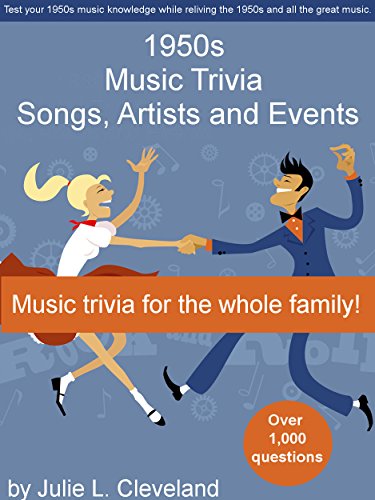
For instance, I write trivia and have a series on music trivia covering the top hits of the decade, which is considered pop culture. A lot of publishers cover pop culture. Since my books are based on U.S. pop charts, then I stand a better chance of getting them published if I limit my searches to U.S.-based publishing houses.

Those who write fiction books need to find a publisher in the genre of their choice. This is a little easier when you realize that many authors in your genre thank their agents in the acknowledgments and the publisher is on the spine and front pages.  If you decide to go the way of traditional publishing, the leads are there for you to follow.

Pros and Cons of Kindle Publishing

Pros of Self-Publishing
You have total control over the outcome
Cons of Self-Publishing
You have total control over the marketing

I am not kidding about the pros and cons. 

Kindle Publishing Gives you Total Control

Total Control over the Outcome–It means that you control every aspect of the editing, printing, formatting, delivery, and cover creation of your finished work. That sounds great on paper, but it adds a lot of workload to writers who only want to write.

If you’re not well-versed in editing (possibly using the Chicago Manual of Style or Associated Press Stylebook), then you might want to hire an editor. I usually do hire someone to take a look at my final manuscript before releasing a book. I am amazed at how many errors I make in the simplest of texts and editing is not my strong suit, but I hope to get better.

Get outside help

I also use Grammarly (an AI add-on to Word with a free version) to do at least one once-over before turning it over to someone to edit. At least then my errors won’t be so embarrassing.

I hire editors from Upwork, and there are many freelance writers doing gig work on Fivver who edit manuscripts. I have hired folks from both places and have been happy with the results.

Here are some links that might help you with the editing phase of your book:

Cover design is another part of the publishing process that you may need to hire out if you’re not proficient in Photoshop, Paint Shop Pro, or Gimp. I do my own covers, and I buy my art from Creative Market or use my own photos as I did on my hiking Yosemite book. Both of my trivia books have cover art from Creative Market by the same artist. 

I will make this post a part of a series on Kindle publishing because this is a BIG topic with a lot of parts to it.

1950s Music Trivia
Think you can answer these 1950s music trivia questions?
1960s music trivia
Music trivia from the 1960s

Marketing ups and downs

Total Control over the Marketing–This is one of the most difficult parts of writing and publishing a book. If you thought writing was tough, wait until you start to market your book! Amazon gives us the ability to create ads from our published works. All you have to do is give them money, and they will place your books all over Amazon where they will be seen by people interested in the subject you write about. While that’s all well and good, if you have a niche book, you want to go outside to find places to advertise.

Your book might do well being advertised in traditional print magazines and newspapers, or as banner ads on blogs and websites, and other affiliate marketing bloggers. It may also do well as ads on Facebook and newsgroups all over the internet.

You will need to do a lot of research to find the right place to advertise your book since you know the intended audience. My music books would advertise well on music-related blogs or newsgroups, and my jewelry design book would do well on arts and crafts sites. The upside to ensuring that your books are being seen by the right audience is to do it yourself.

Another big positive about doing it all yourself is that it’s on your schedule and not someone else’s. If your editor suggests edits, then you can do them when you have time.

Now for the negatives

A great big negative is that there is no advance on future royalties sitting in your bank account. You must live on whatever your royalties are for your current sales. They are paid in real-time, so there is no waiting, but if you want a steady income, you have to move on to your next book as soon as you send the first one to the editor.

There is no get-rich scheme here. It is all hard work, and it can take years to write a book, but there is no reason you have to wait years to find out if the one you did write will ever get published. There is no shame in being an indie publisher, and even the big authors find it useful for smaller projects.

We’ll chat about some of the other finer points of self-publishing in the future. Until then, keep writing and get your manuscript ready for the world to read. 

Learn more about Kindle publishing

Want to know more about Kindle? This book is a good place to start.

Did you like this post? Please share it with your social media followers. Have something you would like to add or discuss? Comment below and let’s talk!