24 Winnie the Pooh Trivia Questions and Answers 

Do you think you can answer these Winnie the Pooh trivia questions? They aren’t all easy, and I kept hearing Sterling Holloway’s voice in my head when I was writing them. I am that old!

When you read the questions to your kids, use your best Winnie the Pooh voice!

Winnie the Pooh Trivia Questions

  1. Who is the author of the original Winnie the Pooh books?
  2. Who are the inhabitants of the Hundred Acre Wood afraid of, although they have never seen one?
  3. Which character in the Winnie the Pooh universe always loses his tail?
  4. Which character was not in the original A.A. Milne books, but was later added by Disney?
  5. Which character in the Winnie the Pooh universe lives in a tree that says “Mr. Sanders” above his door?
  6. Who illustrated the original Winnie the Pooh books?
  7. Who composed the original music for the Disney adaptations of Winnie the Pooh?
  8. Why is Owl considered one of the wisest residents of Hundred Acre Wood?
  9. Who is the leader of the Hundred Acre Woods in the original books?
  10. What real-life forest inspired the Hundred Acre Wood?
  11. How does Winnie the Pooh spell ‘honey’?
  12. Which character is known for his constant worry and fear?
  13. What does Tigger love to do the most? Answer: Bouncing
  14. What does Winnie the Pooh call a group of bees in the stories?
  15. What is the forest called where the Winnie the Pooh stories take place?
  16. What is the name of the gloomy, pessimistic donkey?
  17. What was Tigger’s first appearance in the books?
  18. What is the reason behind Rabbit’s vegetable garden always being trashed?
  19. What is the name of the book where Winnie the Pooh first appeared?
  20. Who is the smallest character in Winnie the Pooh?
  21. Who is the only female character in the original books? Answer: Kanga In which decade did Disney acquire the rights to Winnie the Pooh?
  22. Where did the name “Winnie” in Winnie the Pooh come from?
  23. What does Eeyore’s name represent phonetically?
  24. What is the full name of the boy who owns Winnie the Pooh?

Winnie the Pooh Trivia Questions and Answers

  1. Who is the author of the original Winnie the Pooh books? Answer: A. A. Milne
  2. Who are the inhabitants of the Hundred Acre Wood afraid of, although they have never seen one? Answer: Heffalumps and Woozles
  3. Which character in the Winnie the Pooh universe always loses his tail? Answer: Eeyore
  4. Which character was not in the original A.A. Milne books, but was later added by Disney? Answer: Gopher
  5. Which character in the Winnie the Pooh universe lives in a tree that says “Mr. Sanders” above his door? Answer: Winnie the Pooh
  6. Who illustrated the original Winnie the Pooh books? Answer: E.H. Shepard
  7. Who composed the original music for the Disney adaptations of Winnie the Pooh? Answer: The Sherman Brothers
  8. Why is Owl considered one of the wisest residents of Hundred Acre Wood? Answer: Because he can read and write
  9. Who is the leader of the Hundred Acre Woods in the original books? Answer: Christopher Robin
  10. What real-life forest inspired the Hundred Acre Wood? Answer: Ashdown Forest in England
  11. How does Winnie the Pooh spell ‘honey’? Answer: ‘Hunny’
  12. Which character is known for his constant worry and fear? Answer: Piglet
  13. What does Tigger love to do the most? Answer: Bouncing
  14. What does Winnie the Pooh call a group of bees in the stories? Answer: A “smackerel” of bees
  15. What is the forest called where the Winnie the Pooh stories take place? Answer: The Hundred Acre Wood
  16. What is the name of the gloomy, pessimistic donkey? Answer: Eeyore
  17. What was Tigger’s first appearance in the books? Answer: “The House at Pooh Corner”
  18. What is the reason behind Rabbit’s vegetable garden always being trashed? Answer: It’s often trashed by the bouncing Tigger
  19. What is the name of the book where Winnie the Pooh first appeared? Answer: “When We Were Very Young”
  20. Who is the smallest character in Winnie the Pooh? Answer: Piglet
  21. Who is the only female character in the original books? Answer: Kanga In which decade did Disney acquire the rights to Winnie the Pooh? Answer: 1960s
  22. Where did the name “Winnie” in Winnie the Pooh come from? Answer: The name “Winnie” comes from a real black bear named Winnipeg that A. A. Milne’s son, Christopher Robin, loved at the London Zoo.
  23. What does Eeyore’s name represent phonetically? Answer: It represents the sound a donkey makes (ee-aw).
  24. What is the full name of the boy who owns Winnie the Pooh? Answer: Christopher Robin Milne

If you enjoyed this Winnie the Pooh trivia, then please share it with your friends! I love comments, so please drop me a note in the comment section below.

The Importance of Color in Ecommerce Website Design

In the competitive world of ecommerce, having a visually appealing and user-friendly website is crucial for success, so don’t overlook the importance of color in ecommerce website design.

One often underestimated element of website design that can make a significant impact on user experience is color. The strategic use of colors in e-commerce website design can evoke emotions, establish brand identity, and influence purchasing decisions. In this article, we delve into the realm of colors and their significance in ecommerce website design, exploring how they can contribute to a site’s success.

Understanding Color Psychology in Ecommerce Website Design

Color psychology is a fascinating field that examines how different colors can evoke specific emotions and behaviors in people. When applied thoughtfully to e-commerce websites, it can significantly impact a visitor’s perception and actions.

Here are some key points to consider:

1. Establishing Brand Identity: In the fiercely competitive online marketplace, brand recognition is paramount. Consistency in color usage across the website helps to reinforce brand identity. By prominently featuring the brand’s primary colors in the logo, banners, and other design elements, users can quickly associate these colors with the brand, leading to increased brand loyalty.

2. Encouraging Conversions: Conversions are the lifeblood of any e-commerce website. Colors can be leveraged to guide visitors towards making a purchase.

For example:

  • Call-to-Action Buttons: Utilizing vibrant and contrasting colors for call-to-action buttons, such as “Buy Now” or “Add to Cart,” can draw attention and entice users to take action.
  • Trust and Security: Blue is often associated with trust and security. Incorporating it into payment-related elements, such as “Checkout” buttons or secure payment icons, can enhance users’ confidence in the website’s safety.

3. Enhancing User Experience: A well-designed website should be visually appealing and easy to navigate. The right color scheme can contribute to a positive user experience in the following ways:

  • Readability: High contrast between text and background colors ensures that the content is easy to read, reducing strain on users’ eyes.
  • Navigation: Colors can be used to differentiate various sections of the website, making navigation intuitive and user-friendly.

4. Targeting Specific Audiences: Different demographics respond differently to colors, and understanding these preferences is crucial for targeting specific audiences.

For instance:

  1. Gender Preferences: Studies have shown that men and women often have different color preferences. Designing with these preferences in mind can resonate better with the target audience.
  2. Cultural Considerations: Colors can carry different meanings in various cultures. Being aware of cultural significance helps in creating a website that is sensitive to diverse audiences.

Choosing the Right Color Palette

Selecting the perfect color palette for an ecommerce website is a task that requires careful consideration.

Here’s how you can choose the right colors for your site:

1. Know Your Brand: Understanding the personality and values of your brand is crucial in determining the color palette. Is your brand fun and youthful, or sophisticated and luxurious? Each trait can be accentuated by specific color choices.

2. Consider Your Target Audience: Analyzing the demographics and preferences of your target audience will guide you towards colors that resonate with them. Age, gender, and cultural background are factors that influence color preferences.

3. Create Harmony: Harmony in color usage ensures that the website feels cohesive and visually pleasing. Avoid using too many clashing colors that can overwhelm visitors.

4. Leverage the Color Wheel: The color wheel is a valuable tool that helps in creating color combinations that work well together. Analogous, complementary, and triadic color schemes are some options to explore.

If you want to explore colors, Pantone USA has color ideas for every graphic, website and art project.

The Power of Color Combinations

In ecommerce website design, using a combination of colors can create a more engaging and visually stimulating experience.

Here are some popular color combinations and their effects:

1. Blue and Orange: This complementary color pairing creates a striking contrast, drawing attention to important elements on the website. It’s often associated with energy and trustworthiness.

2. Green and Brown: This earthy combination exudes a sense of nature and eco-friendliness, making it ideal for websites promoting sustainable products.

3. Red and Black: This bold combination evokes a sense of urgency and excitement. It can be used effectively for limited-time offers and discounts.

4. Pastel Colors: Soft and muted pastel colors create a calming effect and are often used in websites selling baby products or wellness-related items.

Incorporating Color in Website Elements

To maximize the impact of color in ecommerce website design, it’s essential to utilize it across various elements of the website.

Here are some key elements to consider:

1. Homepage Banner: The homepage banner is the first thing visitors see. Using colors that reflect the brand and showcase the latest offers can entice users to explore further.

2. Product Images: High-quality product images combined with appropriate color choices can make products more appealing and desirable.

3. Category Pages: Using consistent color schemes for different product categories aids in navigation and enhances the overall user experience.

4. Checkout Process: The checkout process is a critical stage where users need to feel secure. Incorporating calming colors can reduce anxiety and encourage customers to complete their purchase.

Color in Ecommerce Website Design Conclusion

Color plays a vital role in ecommerce website design, influencing user behavior, emotions, and brand perception. By understanding color psychology and strategically implementing a well-thought-out color scheme, e-commerce businesses can create a visually appealing, user-friendly website that drives conversions and outperforms competitors. So, next time you embark on designing or revamping your e-commerce website, let colors be your powerful allies in the journey to success.

If you liked this post, please share it with your friends! I love comments, so drop me a note and tell me what you think.

Writer’s Tools: Essential Tools to Enhance Your Writing

Introduction to the Essential Writer’s Tools

Whether you’re a professional writer, a student, or simply someone who loves to write, having the right tools can significantly improve your writing process. In this article, we’ll explore various writer’s tools that can help you write more efficiently and effectively. We’ll cover writing platforms, grammar and style checkers, organizational tools, writing prompts, and more.

Writing Platforms and Word Processors

Microsoft Word

Microsoft Word has been the go-to word processor for many writers for decades. It offers a wide range of formatting options, templates, and collaboration features. Additionally, it’s compatible with most devices, making it an ideal choice for writers on the go.

Google Docs

Google Docs is a free, cloud-based word processor that allows you to create, edit, and store documents online. It’s perfect for collaboration, as multiple users can work on a document simultaneously. Plus, it automatically saves your work, so you never have to worry about losing your progress.

Scrivener

Scrivener is a powerful writing software specifically designed for long-form writing projects, like novels, screenplays, and research papers. It offers extensive outlining, organizing, and research tools that help you keep track of your ideas and structure your work efficiently.

Writer’s Tools: Grammar and Style Checkers

ProWritingAid

ProWritingAid is another grammar and style checker that also focuses on enhancing your writing style. It offers suggestions for improving readability, eliminating redundancy, and fixing inconsistencies. Additionally, it provides detailed reports to help you understand your writing strengths and weaknesses.

Distraction-Free Writing Environments

FocusWriter

FocusWriter is a minimalistic writing application designed to help you concentrate on your writing without distractions. It provides a simple, customizable, and full-screen interface that hides other applications and toolbars, allowing you to focus solely on your writing.

Calmly Writer

Calmly Writer is another distraction-free writing tool with a clean, minimalistic interface. It offers essential formatting options and automatically saves your work to the cloud, ensuring your writing is safe and accessible from any device.

Writer’s Tools: Organization

Trello

Trello is a project management tool that helps you organize and prioritize your writing tasks. You can create boards for different projects, add tasks in the form of cards, and move them through customizable columns as you progress. It’s great for tracking the development of your writing projects and collaborating with others.

Evernote

Evernote is a note-taking app that allows you to capture and organize your thoughts, ideas, and research in one place. You can create notes with text, images, audio, and more, then easily search and categorize them for quick access.

Need a book cover for your new novel? Then Creative Market has a host of artists ready to help you design your new cover.

Book Covers Mockup

Writing Prompts and Idea Generation

Writing Prompt Websites

There are numerous websites that offer writing prompts and ideas to help you overcome writer’s block or generate fresh content. Some popular ones include:

  • r/WritingPrompts on Reddit
  • Writer’s Digest Writing Prompts
  • Reedsy Writing Prompts

Writing Communities

Joining a writing community, either online or in-person, can provide valuable feedback, support, and inspiration. Some popular online writing communities include:

  • Scribophile
  • Critique Circle
  • Absolute Write Water Cooler

Writing Templates and Outlining

Pre-made Templates

Templates can help you get started on your writing projects by providing pre-formatted structures for various types of content, such as blog posts, essays, or business documents. You can find templates in most word processors, or search online for specialized templates that cater to your specific needs.

Outlining Tools

Outlining tools help you plan and structure your writing by breaking it down into smaller sections or chapters. Some popular outlining tools include:

  • Workflowy
  • Trello
  • OmniOutliner

Writer’s Tools: Research Tools and Fact-Checking

Google Scholar

Google Scholar is a search engine for academic literature that can help you find scholarly articles, books, and other research materials related to your topic. It’s an invaluable resource for writers who need to conduct in-depth research for their work.

Evernote Web Clipper

The Evernote Web Clipper is a browser extension that allows you to quickly save and organize web content, such as articles, images, or PDFs, directly into your Evernote account. This can be helpful for keeping track of your research materials and sources while writing.

Collaborative Writing

Google Docs

As mentioned earlier, Google Docs is an excellent tool for collaborative writing, as it allows multiple users to work on a document simultaneously. Its real-time editing and commenting features make it easy to share ideas and provide feedback.

Draft

Draft is another online writing platform designed for collaboration. It offers version control, so you can easily compare different drafts of your work and accept or reject changes. It also provides collaboration features such as comments and suggestions.

Writer’s Tools: Editing and Proofreading Services

Professional Editors

Hiring a professional editor can significantly improve the quality of your writing by providing expert feedback and guidance. Many freelance editors and editing services are available online, catering to various genres and writing styles. Keep in mind that the cost of these services may vary depending on the length and complexity of your work.

Peer Review Platforms

Peer review platforms, such as Scribophile and Critique Circle, allow you to share your writing with other writers and receive feedback. This can be a cost-effective way to improve your writing and gain new perspectives on your work.

Writer’s Tools: Conclusion

Having the right tools at your disposal can make a significant difference in your writing process. By exploring and utilizing the writer’s tools mentioned in this article, you can streamline your workflow, improve your writing skills, and create high-quality content. Remember, the most important aspect of writing is practice and persistence, so keep honing your skills and exploring new tools to take your writing to the next level.

Writer’s Tools Frequently Asked Questions (FAQs)

1. Can free writing tools provide the same level of quality as paid tools?

Yes, many free writing tools offer excellent features that can help you improve your writing. However, some paid tools may offer more advanced features or better support. It’s essential to find the tools that best fit your needs and budget.

2. How can I improve my writing skills?

The most effective way to improve your writing skills is to practice regularly, seek feedback from others, and learn from various resources, such as books, articles, or writing courses.

3. What are some good resources for learning more about writing techniques and styles?

Books, blogs, podcasts, and writing courses are all excellent resources for learning about writing techniques and styles. Some popular books on writing include “On Writing” by Stephen King and “Bird by Bird” by Anne Lamott.

4. Can I use multiple writer’s tools simultaneously?

Absolutely! Many writers use a combination of tools to create an efficient and effective writing process tailored to their specific needs.

5. How important is it to use a grammar and style checker?

Using a grammar and style checker can help you catch errors and improve the overall quality of your writing. However, it’s crucial to remember that these tools are not infallible and should be used as a supplement to your own editing and proofreading efforts.

If you liked this post, please add a comment to it. I love comments! I’d appreciate it if you shared my post with the world, so hit those share buttons!

Florida’s Unique Wildlife

Florida is home to a rich and diverse range of wildlife due to its geographical location and varied ecosystems that makes Florida’s unique wildlife something to marvel at. From the Everglades to the coastal regions, the state offers a plethora of fascinating and sometimes endangered animal species.

The iconic wildlife found in Florida:

Florida's unique wildlife is both menacing and adorable.
Official Theme Tickets Lowes Price Guarantee

More of Florida’s Unique Wildlife

Florida’s unique wildlife also includes the following:

  • Florida Key Deer (Odocoileus virginianus clavium): Found in the lower Florida Keys, the Key Deer is a small subspecies of the white-tailed deer. It is considered endangered making it protected by conservation efforts.  
  • Roseate Spoonbill (Platalea ajaja): Known for its striking pink plumage, this wading bird lives in Florida’s marshes, mangroves, and coastal islands.  
  • West Indian Manatee (Trichechus manatus latirostris): A subspecies of the manatee, the West Indian Manatee enjoys Florida’s springs, rivers, and coastal waters.  
  • Florida Scrub-Jay (Aphelocoma coerulescens): This friendly, blue-feathered bird calls Florida’s scrub habitat home. This makes it a state specialty and a focus of conservation efforts.  
  • American Crocodile (Crocodylus acutus): Unlike its cousin, the alligator, the American crocodile calls the saltwater habitats in the southern parts of Florida home, including the Everglades.  
  • Red-Cockaded Woodpecker (Leuconotopicus borealis): This small woodpecker resides in pine forests and creates cavities in living pine trees for nesting. It’s the only species that exhibits this behavior.
  • Florida Black Bear (Ursus americanus floridanus): The Florida Black Bear roams the forests and swamps, primarily in the northern part of the state.

These are just a few examples of the incredible wildlife found we Floridians call ours. The state’s diverse ecosystems provide habitat for many species. Making it a haven for nature enthusiasts and a critical area for conservation efforts.

Official Theme Tickets Lowes Price Guarantee

If you enjoyed this post, then be sure to drop me a comment below. Hit the share button!

15 Celebrity July Birthday Trivia Questions and Answers

See if you can answer these celebrity July birthday trivia questions about some well-known July babies.

15 Celebrity July Birthday Trivia Questions

1. Tom Hank 7-9-56: In which film did Tom Hanks play the role of a stranded FedEx employee on a deserted island?

2. Sofia Vergara 7-10-72: Before becoming an actress, Sofia Vergara was known for her work as a model in which country?

3. Harrison Ford 7-13-42: What iconic character does Harrison Ford portray in the “Star Wars” film series?

4. Will Ferrell 7-16-67: What is the name of the first movie featuring Will Ferrell in a starring role?

5. Kristen Bell 7-18-80: Kristen Bell is the voice behind which Disney princess in the animated film “Frozen”?

6. Vin Diesel  7-18-67: Which popular action film franchise does Vin Diesel star in as the character Dominic Toretto?  

7. Angela Merkel  7-17-54: Angela Merkel served as the Chancellor of which European country from 2005 to 2021?  

8. Benedict Cumberbatch 7-19-76: Benedict Cumberbatch thought his last name would be too hard to remember, so he started by using his middle name as his last. What was it?

9. Jennifer Lopez  7-24-69: Jennifer Lopez is known for her career in both music and acting. What is the title of her debut studio album released in 1999?  

10. Sandra Bullock 7-26-64: In the film “Gravity,” Sandra Bullock’s character is an astronaut stranded in space. What is her character’s name?  

11. Arnold Schwarzenegger 7-30-47: Before becoming an actor, Arnold Schwarzenegger was a successful bodybuilder. How many times did he win the Mr. Olympia title?

12. J.K. Rowling 7-31-65: What is the name of the first book in J.K. Rowling’s “Harry Potter” series?

13. Jason Statham 7-26-67: Before his acting career, Jason Statham competed as a professional athlete in which sport?

14. Kevin Spacey 7-26-59: Kevin Spacey won the Academy Award for Best Actor for his role in which 1999 film?

15. Mick Jagger 7-26-43: Mick Jagger is the lead vocalist of the Rolling Stones, but what movie role did he audition for that eventually went to Tim Curry?

Need birthday party decorations for your July birthday party? Check out these great deals.

15 Celebrity July Birthday Trivia Questions and Answers

1. Tom Hank 7-9-56: In which film did Tom Hanks play the role of a stranded FedEx employee on a deserted island? A: Cast Away (2000)  

2. Sofia Vergara 7-10-72: Before becoming an actress, Sofia Vergara was known for her work as a model in which country? A: Colombia  

3. Harrison Ford 7-13-42: What iconic character does Harrison Ford portray in the “Star Wars” film series? A: Han Solo  

4. Will Ferrell 7-16-67: What is the name of the first movie featuring Will Ferrell in a starring role? A: A Night at the Roxbury (1998)  

5. Kristen Bell 7-18-80: Kristen Bell is the voice behind which Disney princess in the animated film “Frozen”? A: Princess Anna  

6. Vin Diesel  7-18-67: Which popular action film franchise does Vin Diesel star in as the character Dominic Toretto? A: Fast & Furious  

7. Angela Merkel  7-17-54: Angela Merkel served as the Chancellor of which European country from 2005 to 2021? A: Germany  

8. Benedict Cumberbatch 7-19-76: Benedict Cumberbatch thought his last name would be too hard to remember, so he started by using his middle name as his last. What was it? A: Benedict Carlton – his agent talked him out of changing it back.  

9. Jennifer Lopez  7-24-69: Jennifer Lopez is known for her career in both music and acting. What is the title of her debut studio album released in 1999?  A: “On the 6”  

10. Sandra Bullock 7-26-64: In the film “Gravity,” Sandra Bullock’s character is an astronaut stranded in space. What is her character’s name?  A: Dr. Ryan Stone  

11. Arnold Schwarzenegger 7-30-47: Before becoming an actor, Arnold Schwarzenegger was a successful bodybuilder. How many times did he win the Mr. Olympia title? A: Seven times  

12. J.K. Rowling 7-31-65: What is the name of the first book in J.K. Rowling’s “Harry Potter” series?  A: “Harry Potter and the Philosopher’s Stone” (or “Harry Potter and the Sorcerer’s Stone” in the US)

13. Jason Statham 7-26-67: Before his acting career, Jason Statham competed as a professional athlete in which sport?  A: Diving  

14. Kevin Spacey 7-26-59: Kevin Spacey won the Academy Award for Best Actor for his role in which 1999 film? A: “American Beauty”  

15. Mick Jagger 7-26-43: Mick Jagger is the lead vocalist of the Rolling Stones, but what movie role did he audition for that eventually went to Tim Curry? A: The Rocky Horror Show – Dr. Frank N. Furter    

If you enjoyed this celebrity July birthday trivia, then please share it with your friends! I love comments, so please drop me a note in the comment section below.

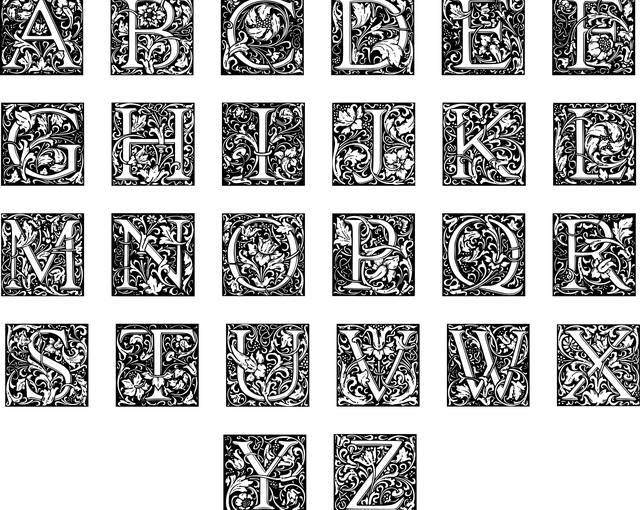
The Importance of Font Licensing in Creative Projects

In the fast-paced world of design and creativity, fonts play a crucial role in conveying the desired message and aesthetics of a project. However, it is essential to understand the importance of font licensing to ensure that we respect intellectual property rights, maintain legal compliance, and avoid potential legal consequences. In this article, we delve into the significance of font licensing and provide valuable insights for designers, creators, and businesses to navigate the realm of font usage responsibly.

Understanding Font Licensing


Font licensing refers to the legal permissions granted by the typeface designer or foundry to use their fonts in specific ways. These licenses define the terms and conditions for the usage, distribution, modification, and embedding of the font files. By obtaining a font license, designers gain the necessary rights to incorporate fonts into their projects while respecting the intellectual property rights of the font creators.

Benefits of Proper Font Licensing

1. Legal Compliance and Intellectual Property Protection


Obtaining the appropriate font license ensures legal compliance and protects against copyright infringement. Using unlicensed fonts can result in severe consequences, including lawsuits, financial penalties, and damage to one’s professional reputation. By adhering to font licensing requirements, designers and businesses can confidently create and share their work without the fear of legal repercussions.

2. Consistency in Design


Using licensed fonts contributes to maintaining a consistent visual identity for brands and design projects. Licensed fonts often come with a wide range of weights, styles, and variations, allowing designers to create harmonious designs across various mediums. This consistency fosters brand recognition, enhances user experience, and helps establish a cohesive brand image.

3. Access to High-Quality Fonts


Licensed fonts are typically crafted by experienced typeface designers who invest significant time and effort into creating visually appealing and well-crafted typefaces. By acquiring font licenses, designers gain access to a vast library of high-quality fonts, ensuring their projects stand out with professional and visually captivating typography.

4. Support for Font Creators


Font licensing directly supports the work of font creators and foundries. By purchasing licenses, designers contribute to the growth and sustainability of the design community, enabling type designers to continue developing innovative fonts and maintaining their creative endeavors. Supporting font creators ensures a thriving ecosystem where new fonts are continuously being crafted and made available to designers worldwide. As a former font creator, I appreciate the support the design communities have given me over the years.

Types of Font Licenses


Font licenses can vary depending on the font foundry or type designer. Here are a few common types of font licenses:

1. Desktop Licenses


Desktop licenses allow designers to install and use fonts on their personal computers or workstations for specific projects. These licenses typically restrict the number of devices on which the fonts can be installed.

2. Web Licenses


Web licenses permit the use of fonts in web-based projects, including websites, web applications, and digital publications. These licenses often have restrictions based on factors such as monthly page views or unique visitors.

3. App Licenses


App licenses grant permission to incorporate fonts into mobile applications, ensuring consistent typography across various platforms and devices. These licenses often consider the number of app installations or the revenue generated by the application.

4. Server Licenses


Server licenses are designed for web hosting providers or organizations that need to install fonts on servers to dynamically generate web content. These licenses typically account for factors such as the number of CPUs or server cores.

5. Extended Licenses


Extended licenses offer additional permissions beyond the standard usage scenarios. These licenses may cover usage in merchandise, broadcast media, or other specialized applications. It is important to carefully review the terms and conditions of extended licenses to ensure compliance with specific usage requirements.

Best Practices for Font Licensing


To ensure a seamless and compliant font usage experience, consider the following best practices:

1. Research Font Licensing Requirements


Before using a font in a project, thoroughly research the font’s licensing requirements. Visit the type designer’s website or the font foundry’s platform to understand the specific terms and conditions associated with the font.

2. Purchase Licenses from Trusted Sources


Acquire font licenses directly from reputable sources, such as official font foundries or authorized resellers. This helps guarantee the authenticity of the license and ensures that you receive ongoing support and updates for the fonts. Creative Market is a trusted source for fonts.

3. Keep Records of Font Licenses


Maintain a well-organized record of all font licenses, including purchase receipts, license agreements, and any associated documentation. This record serves as proof of ownership and can be helpful for future reference or potential inquiries. Usually, the TOS will be included in the zipped file with the font.

4. Regularly Review License Terms


Font licensing terms may evolve over time. Stay informed about any updates or changes to the license agreements for the fonts you have licensed. This helps ensure continued compliance with the licensing requirements.

5. Educate Team Members and Clients


If you work as part of a team or collaborate with clients, educate them about the importance of font licensing. Emphasize the potential legal ramifications of using unlicensed fonts and encourage them to adhere to proper font licensing practices.

Conclusion


Font licensing is a critical aspect of the design process that should never be overlooked. By understanding the importance of font licensing, adhering to licensing requirements, and acquiring licenses from trusted sources, designers and businesses can create remarkable projects while respecting intellectual property rights and maintaining legal compliance. Let us embrace responsible font usage and contribute to a thriving design community built on respect, creativity, and innovation.


Shop Calendars.com Now!


If you liked this post, share it with your friends. If you have a comment, please drop it in the box below.

Tuning into Productivity: Harnessing Brown Noise as a Writing Tool

Finding focus amidst the noise can be a real challenge in our increasingly digital and connected world and using brown noise as a writing tool can help. Yet, for writers, achieving and maintaining concentration is undeniably crucial. One unexpected tool shown to help is Brown noise, a specific type of sound masking that can encourage focus and boost productivity.


What is Brown Noise?


Brown noise, also known as Brownian or red noise, is a soothing, low-frequency sound similar to the soft roar of a waterfall or the gentle patter of rain on a rooftop. Unlike white noise, which contains all frequencies equally and can sound like static, Brown noise decreases in intensity at higher frequencies, providing a warmer and softer auditory backdrop.

In terms of aiding the writing process, Brown noise can be particularly beneficial due to its consistency and ability to mask other more distracting sounds. Whether you’re writing from a bustling coffee shop, a busy office, or just dealing with typical household noises, Brown noise can provide a stable and consistent audio environment that allows you to tune out the extraneous sounds and tune into your thoughts.

What does Brown Noise Sound Like?


Using Brown Noise as a Writing Tool


It is relatively easy to integrate Brown noise into your writing routine. Numerous online platforms and apps offer free access to high-quality Brown noise tracks. You can play these on your computer or through headphones if you prefer not to disturb others. The volume should be adjusted to a comfortable level in the background – not so loud as to become a distraction, but strong enough to help muffle external noises.

Another advantage of using Brown noise as a writing tool is its potential to reduce the symptoms of tinnitus, a condition that causes a persistent ringing or buzzing in the ears and can be particularly distracting for writers. By masking the irritating tinnitus sounds, Brown noise can provide significant relief, allowing you to fully concentrate on your writing.


Not for Everyone


However, like any tool, Brown noise isn’t a one-size-fits-all solution. Some people may find it distracting or simply not beneficial. The key is to experiment and find out what works best for you. You may want to try other forms of sound masking, such as white noise or pink noise, to discover which color of noise best fosters your personal productivity.

It’s also important to remember that using Brown noise should be part of a broader strategy for creating a focused and productive writing environment. This can include setting specific writing goals, ensuring your physical comfort, and taking regular breaks to avoid burnout.

The #1 Writing Tool


Conclusion


Brown noise can be a surprisingly effective tool for writers seeking a cocoon of focus amidst distractions. While it might not replace a disciplined writing routine or a well-structured work environment, it can certainly enhance them, providing a consistent, calming backdrop against which your creativity can flourish. It’s always worth experimenting with different strategies to find what helps you write your best – and Brown noise might just be the unexpected key to unlocking your next level of productivity.

If you like this post, please share it with your friends! Writing is hard, and any tools that we can use to make it easier is appreciated. Got comments? I love comments. Please drop me a line.

Surviving Summer: How to Beat the Heat

Summer is long days, and sunlight brings on extreme heat, so knowing how to beat the heat and enjoy summer is helpful. The sweltering temperatures can be uncomfortable and harmful to your health if not handled correctly. While this post is included in my Florida section, with the heat waves radiating across the country right now, this is true for anyone experiencing summer today.

Tips on how to beat the heat and enjoy summer without wilting:

Beat the Heat by Staying Hydrated

First and foremost, staying hydrated is crucial. Dehydration is one of the biggest dangers of hot weather, leading to symptoms like headaches, fatigue, and dizziness. Make sure to sip on water throughout the day, even if you’re not feeling thirsty. Infusing your water with fresh fruits like strawberries, lemons, or cucumbers can add a refreshing twist that encourages more frequent sipping.

It’s also worth noting that what you wear can significantly affect how you feel. Choose clothing that is light in color and loose-fitting. Such clothes reflect sunlight rather than absorbing it, keeping you cooler. Additionally, fabrics that wick moisture away from your skin, such as cotton, can help regulate your body temperature.

Beat the Heat by Staying Inside

One of the most straightforward ways to beat the heat is to stay out of it as much as possible, especially during the peak hours between 11 am and 3 pm. This could mean planning your outdoor activities early in the morning or late in the evening when the sun isn’t as strong.

While indoors, consider closing your blinds or curtains to prevent the sun from heating your rooms. If you don’t have air conditioning, fans can provide a breeze and promote evaporation, which cools the skin. Don’t underestimate the power of a cool shower or bath, either. These can help bring down your body temperature and provide immediate relief.

Smaller Meals

Eating smaller, more frequent meals can also help you feel cooler. Digestion generates body heat, so eating large meals can make you feel hotter. Opt for light, water-rich foods like fruits, vegetables, and salads. These not only provide hydration but are easier to digest.

Sunscreen

Lastly, don’t forget to take care of your skin. Use sunscreen with an SPF of at least 30 to protect your skin from harmful UV rays, and wear a wide-brimmed hat when you’re outdoors.

Beating the heat doesn’t mean you have to hide away all summer. By implementing these practical strategies, you can maintain your cool and make the most of the warm weather. Remember to listen to your body and take it easy when needed. Let’s all stay safe this summer. Happy summer!

Like this post? Please share it with your friends! I love comments, so please leave me your thoughts below.

15 Travel Trivia Questions and Answers

If you love to travel, you may like these travel trivia questions and answers. I watch a lot of PBS, and there is always a destination to visit. See if you can answer these questions.

15 Travel Trivia Questions

  1. What is the capital city of Australia?
  2. Which city is famous for its canals, gondolas, and historic architecture?
  3. Which African country is known as the “Land of a Thousand Hills”?
  4. What is the official language of Brazil?
  5. Which country is home to the ancient city of Petra, known for its rock-cut architecture?
  6. Which European city is divided by the Bosphorus Strait, separating it into two continents?
  7. What is the largest island in the Caribbean?
  8. Which natural wonder is shared by both the United States and Canada?
  9. In which country would you find the Great Barrier Reef?
  10. Which city is known as the “Eternal City”?
  11. What is the currency of Japan?
  12. Which African country is home to Mount Kilimanjaro, the highest peak in Africa?
  13. In which country would you find Machu Picchu, an ancient Incan city?
  14. What is the official language of India?
  15. Which city is famous for its iconic landmark, the Eiffel Tower?

15 Travel Trivia Answers

  1. What is the capital city of Australia? Canberra
  2. Which city is famous for its canals, gondolas, and historic architecture? Venice, Italy
  3. Which African country is known as the “Land of a Thousand Hills”? Rwanda
  4. What is the official language of Brazil? Portuguese
  5. Which country is home to the ancient city of Petra, known for its rock-cut architecture? Jordan
  6. Which European city is divided by the Bosphorus Strait, separating it into two continents? Istanbul, Turkey
  7. What is the largest island in the Caribbean? Cuba
  8. Which natural wonder is shared by both the United States and Canada? Niagara Falls
  9. In which country would you find the Great Barrier Reef? Australia
  10. Which city is known as the “Eternal City”? Rome, Italy
  11. What is the currency of Japan? Japanese yen
  12. Which African country is home to Mount Kilimanjaro, the highest peak in Africa? Tanzania
  13. In which country would you find Machu Picchu, an ancient Incan city? Peru
  14. What is the official language of India? Hindi
  15. Which city is famous for its iconic landmark, the Eiffel Tower? Paris, France

Enjoy this trivia? You may like these trivia questions and answers too.

Visit the National Parks with this challenging trivia post.
Go to another dimension on this trip into the Twilight Zone.

If you liked the trivia, please share on social media. Got a comment? Add it below. I love comments!

The Power of the AI Description Writer in Shopify

Let’s use the power of the AI Description Writer in Shopify to keep up with the rapidly evolving world of e-commerce. The quality of product descriptions can make or break a sale.

A well-crafted description can entice potential customers, highlight key features, and create an emotional connection. However, writing compelling and unique descriptions for every product can be a daunting and time-consuming task. This is where the AI Description Writer in Shopify comes into play, offering a revolutionary solution to streamline and enhance the process. Let’s look at the benefits of using the AI Description Writer and how it can transform your online store.

Enhancing Efficiency

Traditionally, crafting product descriptions involved extensive research, writing, and editing, taking up significant time and resources. With the AI Description Writer, Shopify merchants can save time and effort by automating this process. The AI model leverages the power of natural language processing and machine learning algorithms to generate high-quality product descriptions in a matter of seconds. This enables businesses to focus on other critical aspects of their operations while still maintaining an impressive and consistent product presentation.

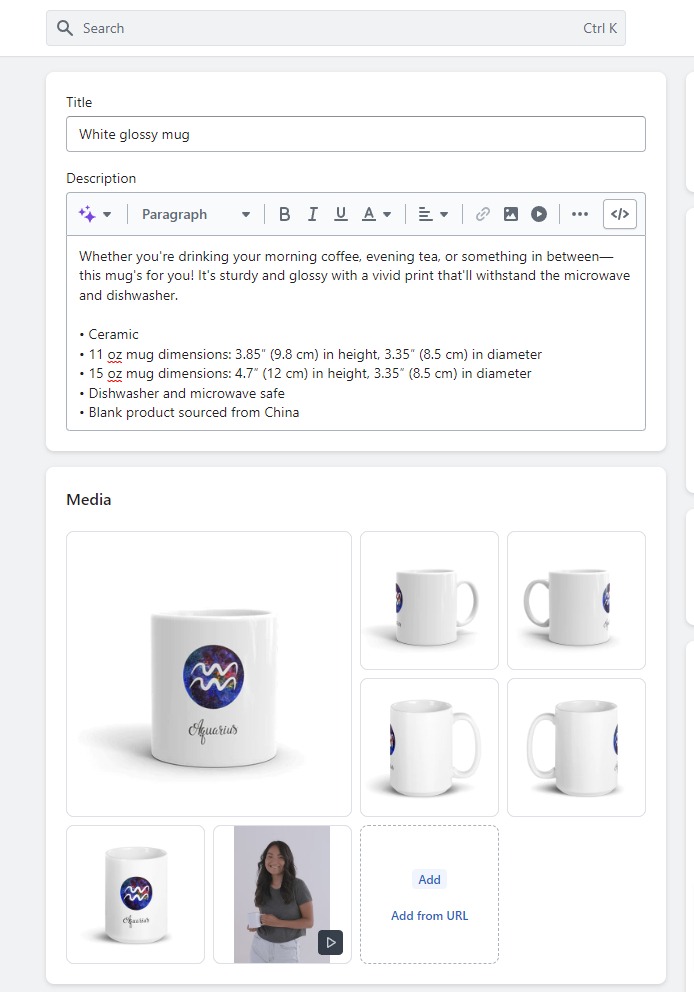
Since I have always written my own descriptions, the idea of using the AI Description Writer to write them for me seems a bit foreign. I decided to give it a chance with a product that I already had a description for and let it work its magic.

The magic purple thingies in the left hand corner is where the AI Description Writer lives. Click it.

The Power of the AI Description Writer in Shopify

Using the Power of the AI Description Writer in Shopify to Create High-Quality Content

The AI Description Writer is trained on vast amounts of data and understands the nuances of language, ensuring the generated content is coherent and engaging. The descriptions produced by the AI are tailored to highlight the unique features, benefits, and selling points of each product. By using the AI Description Writer, Shopify merchants can consistently produce professional-grade descriptions that captivate customers, boost conversions, and drive sales.

While I wasn’t quite happy with the description it came up with, I did tweak it to my liking. Since I work in SEO, I do try to keep up. Although, I have to say that my Shopify store front has not kept up since the product descriptions have not been rewritten over the years. Maybe, I should use AI to beef them up.

Most of this description was written by AI, but I tweaked here and there. Here is what I tweaked:

The Power of the AI Description Writer in Shopify

Customization and Personalization

I think that the AI tool writes fairly generic and impersonal descriptions. However, the AI Description Writer in Shopify allows for customization to align with your brand’s voice and style. You can provide specific guidelines, keywords, or even snippets of existing product descriptions to maintain consistency and inject your brand’s personality. The AI model adapts to these inputs, generating descriptions that seamlessly integrate with your store’s existing content and reflect your unique brand identity.

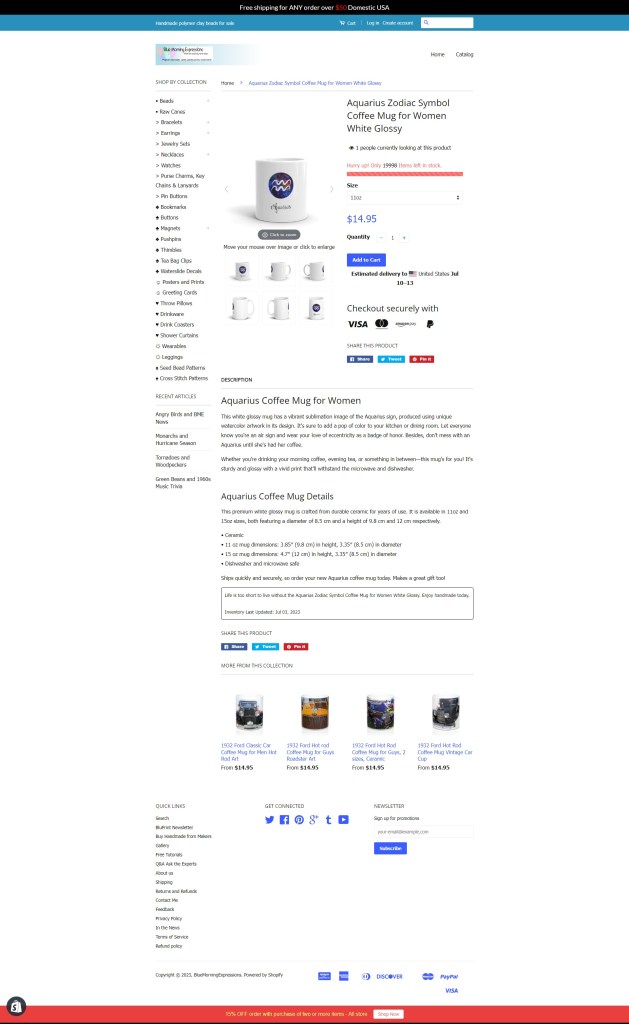
Here is the final product:

The Power of the AI Description Writer in Shopify

Continuous Improvement

The AI Description Writer in Shopify is not a static tool. It is a dynamic system that continuously learns and improves over time. As it generates more descriptions and receives feedback from merchants, it refines its understanding and language capabilities. This iterative process ensures that the AI model becomes more accurate, efficient, and aligned with your brand’s requirements, delivering even better results as you continue to use it.

Read this post to help you write your Shopify meta tags.

Seamless Integration and User-Friendliness

Shopify’s AI Description Writer seamlessly integrates into the platform, making it easily accessible and user-friendly. The intuitive interface allows merchants to generate product descriptions with a few simple clicks. You do not need any technical expertise or coding knowledge. There’s nothing to install either. It’s already in the Shopify description box.

Conclusion

In today’s competitive e-commerce landscape, standing out from the crowd is crucial. Compelling product descriptions play a significant role in achieving that. The AI Description Writer in Shopify empowers merchants by automating the process of generating high-quality, customized, and persuasive descriptions.

By harnessing the power of artificial intelligence, Shopify merchants can save time, improve efficiency, and enhance their online store’s performance. Embracing this technology gives you time to concentrate on building your business, not writing descriptions.

Don’t have a Shopify store? Check out their free trial.

Like what you see? Please share this with your friends, and I love comments, so please tell me what you think!