Florida, known for its pristine beaches and vibrant nightlife, is also home to some of the most beautiful and diverse national parks in the United States. These parks protect unique ecosystems, offer a refuge for numerous species of flora and fauna, and provide a multitude of recreational opportunities. Here’s an exploration into some of Florida’s most treasured national parks.
Here is a list of the Florida National Parks
Everglades National Park: Often referred to as a “River of Grass,” the Everglades is the largest tropical wilderness of any kind in the U.S. You’ll find a vast and varied ecosystem here that includes mangrove forests, sawgrass prairies, and marshes. It is the only place in the world where alligators and crocodiles coexist. Visitors can enjoy hiking, bird watching, boat tours, and the famous Anhinga Trail.
Biscayne National Park: Located just next to Miami, Biscayne National Park protects a rare combination of aquamarine waters, emerald islands, and fish-bejeweled coral reefs. The park is 95% water, making it a paradise for snorkeling, diving, boating, and fishing. The Maritime Heritage Trail offers an underwater tour of shipwrecks, and the mangrove shoreline is perfect for kayaking.
Dry Tortugas National Park: Accessible only by boat or seaplane, Dry Tortugas is located 70 miles west of Key West. The park is known for the magnificent Fort Jefferson, picturesque blue waters, superlative coral reefs, and marine life. It’s a fantastic place for snorkeling, bird watching, and exploring a 19th-century fort.
Here are more Florida National Parks to consider
Canaveral National Seashore: Stretching 24 miles along the Atlantic coast, Canaveral is home to pristine beaches, dunes, and lagoon. It’s an important nesting ground for sea turtles and offers excellent opportunities for hiking, fishing, and bird watching. Visitors can also explore Turtle Mound, a prehistoric shell midden created by the Timucuan Indians.
In addition to these, Florida boasts several other national preserves and monuments, each offering unique experiences and adventures. These parks are not only important for conservation but are also cherished places for education and recreation. Whether you’re a history buff, nature enthusiast, or simply seeking a picturesque place to relax, Florida’s national parks offer something for everyone. Remember to respect wildlife, follow park regulations, and leave no trace to preserve the beauty and integrity of these natural wonders for future generations.
If you like this post, please share it with the world! I appreciate it. 🙂 Feel free to leave a comment below!
Florida, known for its sun-kissed beaches and vibrant theme parks, also harbors some of nature’s most serene wonders: its natural springs. These secluded treasures offer a tranquil retreat from the hustle of everyday life, inviting visitors to explore their pristine waters and lush surroundings.
Natural Springs to Explore
1. Crystal Clear Waters: Ichetucknee Springs Nestled in North Florida, Ichetucknee Springs is a haven for those seeking crystal-clear waters to splash around in. The spring boasts a rich aquatic ecosystem, perfect for snorkeling and spotting diverse wildlife. Its gentle current also makes it ideal for a leisurely tubing experience.
Don’t forget to take time to learn the history of the area. From the original mission from the 1600s to the gristmill of the 1800s to today’s tubing, there’s interesting history of mining and other industries within the springs.
2. Historic Charm: De Leon Springs De Leon Springs, steeped in history, offers more than just a dip in its invigorating waters. Here, you can immerse yourself in Florida’s past, with stories of Native Americans and Spanish explorers echoing through the park. The on-site restaurant, famous for its make-your-own pancakes, adds a delightful touch to the visit.
De Leon Springs is considered a place of healing waters, and the Mayaca Indians weren’t the only ones who felt this way. Others have enjoying swimming in the springs, and Audubon once wrote “This spring presents a circular basin, having a diameter of about 60 feet, from the center of which the water is thrown up with great force, although it does not rise to a height of more than a few inches above the general level.”
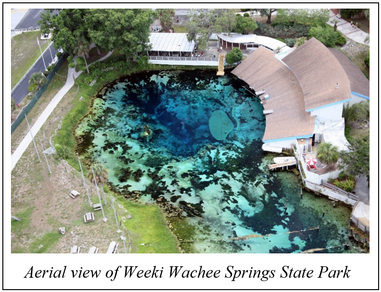
3. Family Fun: Weeki Wachee Springs Home to the legendary mermaid shows, Weeki Wachee Springs is a family favorite. Beyond the enchanting performances, the park’s crystal-clear waters are perfect for kayaking and swimming, making it a memorable experience for all ages.
There are more than 100 million gallons of groundwater flowing from this spring on a daily basis. That’s enough water to fill 150 Olympic sized swimming pools.
4. Untouched Nature: Silver Springs Silver Springs, known for its glass-bottom boat tours, offers a unique perspective of Florida’s underwater world. The surrounding park, with its centuries-old trees and abundant wildlife, provides a serene backdrop for nature walks and bird watching.
Be sure to check out the Silver River Museum for information on the history of the area and learn about the wildlife that still wanders the springs.
5. Adventure Awaits: Blue Spring State Park A winter haven for manatees, Blue Spring State Park is a must-visit for wildlife enthusiasts. The spring’s constant warm temperature provides a sanctuary for these gentle giants, offering a rare opportunity to observe them in their natural habitat.
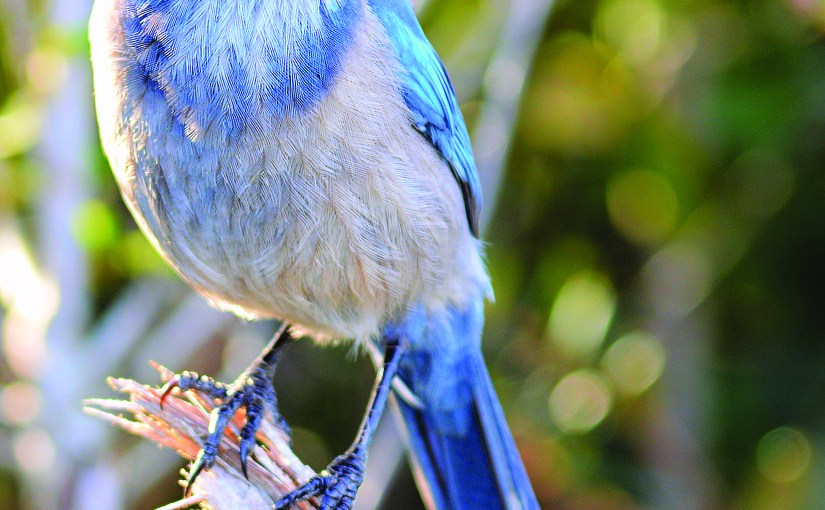
Another inhabitant of the springs is the scrub jay, which is the only bird exclusive to the State of Florida.
Each of these springs presents a unique experience, a testament to Florida’s diverse natural beauty. Whether you’re seeking adventure, relaxation, or a touch of history, Florida’s natural springs are a refreshing escape worth exploring.
If you like this post, please share it with the world! I appreciate it. 🙂 Feel free to leave a comment below!
You can help me keep these posts free by clicking on the outside links. If you make a purchase, I may earn a small commission paid by the company and not you. Thank you!
Let’s take a tour of some of the Florida Historical Sites for history buffs in this post. I love history and am sorry that I didn’t acquire the taste for history until long after I was an adult. I am sure that I have at least one good history teacher in my life.
As a fan of history and a long-time Florida resident, I have put together some places to put on your “must visit” list the next time you come to visit the Sunshine State.
Founded in 1565 by Spanish explorers, St. Augustine is not just the oldest city in Florida, but the oldest continuously inhabited European-established settlement within the continental United States. Walking through the cobblestone streets of St. Augustine is like stepping back in time.
– Castillo de San Marcos: The stone fortress stands as a monument to the Spanish empire’s vast reach. Completed in 1695, it is the oldest masonry fort in the United States and offers daily reenactments and cannon firings.
– Historic District: With buildings dating back to the 1700s, guided tours will introduce you to the city’s storied past, including the oldest wooden schoolhouse.
Florida Historical Sites: The Keys and Fort Jefferson
Far from mainland Florida, the Keys hold stories of pirates, wreckers, and the struggle for control over the Gulf of Mexico.
– Dry Tortugas National Park and Fort Jefferson: Accessible only by boat or seaplane, this massive but unfinished coastal fortress is the largest masonry structure in the Americas, featuring over 16 million bricks.
Pensacola has changed hands among the Spanish, French, British, Confederate, and United States governments, earning its nickname for the various flags that have flown over it.
– Historic Pensacola Village: Visit the T.T. Wentworth, Jr. Florida State Museum to start your trip through time, then walk amongst the historic homes and buildings.
– Fort Barrancas: Standing on a bluff overlooking Pensacola Bay, Fort Barrancas is a reminder of the city’s strategic military importance.
Tampa Bay’s history is rich with industry and war, from cigar factories to crucial military outposts.
– Ybor City: Once known as the “Cigar Capital of the World,” Ybor City today is a National Historic Landmark District where visitors can still see expert cigar rollers at work.
– SS American Victory: A World War II-era ship now functions as a maritime museum, giving visitors a taste of life at sea during tumultuous times.
Florida’s Space Coast is synonymous with the Space Age and NASA’s endeavors to explore the cosmos. I am thrilled to call this home.
– Kennedy Space Center Visitor Complex: Here, history buffs can delve into the story of America’s space exploration, including the Apollo missions that landed men on the moon.
– Cape Canaveral Air Force Station: Tour launch complexes and the Air Force Space & Missile Museum to learn about the early days of spaceflight.
The Panhandle holds history from the Civil War and early European settlements.
– Fort Pickens: Part of the Gulf Islands National Seashore, it was one of only four forts in the South not occupied by Confederate forces during the Civil War.
– Mission San Luis: A living history museum in Tallahassee that was once the western capital of Spanish Florida.
Miami and the Gold Coast: Boomtowns and Art Deco
Miami’s vibrant history as a 20th-century boomtown and cultural melting pot is on full display.
– Art Deco Historic District: Miami Beach’s iconic pastel-colored buildings stand as relics of the 1930s style.
– Vizcaya Museum and Gardens:This stunning waterfront estate showcases the opulence of Miami’s early 20th-century millionaire residents.
Florida’s historical sites offer a captivating look at the many layers of its past. From pre-Columbian settlements to the drama of the Cuban Missile Crisis, the state’s history is as diverse and dynamic as its landscape. These sites not only educate but also inspire awe with their stories of human endeavor, resilience, and innovation.
For history enthusiasts, a trip to Florida can be an interesting beyond the Mickey and Minnies of the world. It can be a treasure hunt of the best places to experience Florida’s history.
If you like this post, please share it with the world! I appreciate it. 🙂 Feel free to leave a comment below!
Florida’s scenic highways sometimes get overlooked when people forget that the Sunshine State is more than beaches, amusement parks, and exotic cities. There are many highways that will take you to some of the most diverse areas of the state, where you can enjoy the natural beauty of Florida and its cultural heritage.
Traversing along Florida’s east coast, the A1A Scenic and Historic Coastal Byway is a journey through pristine beaches, lush coastal forests, and historical landmarks. Stretching for 72 miles, this highway showcases the Atlantic Ocean’s breathtaking views, offering a tranquil escape from the bustling city life. Notable stops along the way include the historic city of St. Augustine, the nation’s oldest city, and the picturesque Washington Oaks Gardens State Park.
The problem with this highway is that many of those Atlantic views it used to provide have been hidden due to builders destroying the views with condos or gated communities. You can still see areas of the ocean in places like Flagler Beach where the road runs right along the beach, which is a problem if there is a big storm, but for the most part, the builders have been kept off the barrier island.
Experience the untouched beauty of Florida’s Gulf Coast with the Big Bend Scenic Byway. This 220-mile adventure weaves through the coastal wilderness, sprawling forests, and charming rural towns. It is a haven for nature enthusiasts, with opportunities for bird-watching, hiking, and fishing. The highway also provides access to the unique Apalachicola National Forest and the stunning Wakulla Springs State Park.
Be sure to visit their website because you can download a map and tour guide of the byway. Take a few minutes to stop and explore the wilderness.
Named after the Florida black bear, this scenic byway stretches for 123 miles through the Ocala National Forest, showcasing the state’s diverse wildlife and lush landscapes. The route offers ample opportunities for outdoor activities such as camping, hiking, and wildlife spotting. It is a journey into the heart of Florida’s wilderness, providing a serene and rejuvenating experience.
You are more likely to see deer rather than black bears, but they are around. I have seen a few of them over the years, but generally at night while driving through the forest. Please slow down and don’t hit them.
The Florida Keys Scenic Highway is a mesmerizing journey through the tropical paradise of the Florida Keys. Spanning 106 miles, this highway connects the mainland to Key West, offering panoramic views of the turquoise waters and lush islands along the way. The Seven Mile Bridge, a highlight of this route, provides a surreal driving experience, making you feel as if you are gliding above the ocean.
Be sure to stop along the way in places like Key Largo or Marathon for a sandwich or just to stretch your legs. The Keys Official tourism site is here. No matter where you end up, you’ll enjoy the Keys if you like laidback lifestyles dashed with a lot of wild colors. It’s a colorful place! Between Hemmingway and Jimmy Buffett, the Keys are familiar to most people. We miss you, Jimmy.
Explore Florida’s diverse ecosystems with the Indian River Lagoon National Scenic Byway, a 150-mile route along the state’s east coast. This byway offers a glimpse into Florida’s rich maritime history, with access to historic sites, museums, and charming coastal towns. The Indian River Lagoon, one of the most biodiverse estuaries in North America, is a highlight, providing unique opportunities for bird-watching, fishing, and kayaking.
This is my backyard, and it suffers from some of the same fate as A1A; corporate builders have destroyed a good portion of the view on both sides of the road. However, there is Sebastian Inlet State Park where you can walk along the shoreline and poke around in the river, or you can come back to the mainland and check out the Sebastian Conservation area or Pelican Island National Wildlife Refuge.
After being here almost 40 years, I am sorry to say that most of the small fishing village charm is gone, but you can still find locals at the Riverview Park or the Grant House in Grant, Fl.
Travel back in time with the Old Florida Heritage Highway, a 48-mile journey through the heart of Florida’s rural landscapes. This route showcases the state’s agricultural heritage, with sprawling farms, historic sites, and scenic vistas. The charming town of Micanopy, known for its antique shops and historical significance, is a must-visit along this byway.
If you’re jaded by the commercialization of little fishing villages, then this is the place to go to get rid of those thoughts. It’s rural and it’s a place where tourists rarely roam, so you’ll probably have the whole road to yourself. Enjoy the older way of life away from lights, traffic, and big ticket prices.
Discover the historic St. Johns River with the River of Lakes Heritage Corridor, a 150-mile journey through central Florida. This scenic byway provides access to the state’s rich history, with numerous historic sites, museums, and charming towns along the way. The natural beauty of the St. Johns River, with its diverse wildlife and lush landscapes, is a highlight of this route.
While this is a big loopy drive, some of the places along the way are worthy of a stop. DeLand (where I spent a decade) is home to Stetson College and is home to some older architecture. If you get off the path a bit and go to DeLeon Springs or Blue Springs, you may be able to see manatees in their natural habitat. Or, you can jump in and dive into one of the springs openings.
When you head back south on this road, be sure to swing around Lake Monroe by Sanford after dark. If you think you want to see alligators, this lake is full of them. You’ll see their beady little eyes shining back at you as you drive around the lake. It’s a bit of an unsettling site knowing they’re all hoping you’d like to have a swim.
Snuggled along Florida’s Gulf Coast, Scenic Highway 30A is a 28.5-mile journey through pristine beaches, coastal dunes, and charming beach communities. This route is famous for its sugar-white sand beaches and rare coastal dune lakes, providing a unique and breathtaking experience. The vibrant communities along 30A, with their unique architecture and local boutiques, offer a glimpse into Florida’s coastal lifestyle.
This area is looking for more tourist traffic, but it’s quite small, so don’t unsettle the area. Be sure to download the map before you drive, so you don’t miss many of the smaller sites along the way.
Experience the charm of central Florida with the Scenic Sumter Heritage Byway, a 62-mile journey through historic towns, sprawling farmlands, and lush forests. This route showcases the state’s rich agricultural heritage, providing a tranquil escape from the hustle and bustle of city life. The charming town of Webster, with its famous flea market, is a popular stop along this byway.
Named after the famous naturalist William Bartram, this scenic highway stretches for 17 miles through northeastern Florida. The route offers a journey into the state’s rich history from the 1500s and diverse ecosystems, with access to historic sites, parks, and natural reserves. The Six Mile Creek, a highlight of this byway, provides a serene setting for hiking, bird-watching, and nature photography.
As you drive along the St. John’s River, realize that this is one of only a few rivers that flows north. It also is home to some very yummy bass, so if you luck into an old-fashioned fish fry, then stop and eat with the locals.
Conclusion
Florida’s scenic highways offer a unique opportunity to explore the state’s diverse landscapes, rich history, and cultural heritage. From coastal drives to journeys through untouched wilderness, these routes provide a tranquil escape and a chance to connect with Florida’s natural beauty. So, pack your bags, hit the road, and discover the enchanting beauty of Florida’s scenic highways.
If you like this post, please share it with the world! I appreciate it. 🙂 Feel free to leave a comment below!
Florida residents and tourists, if you want to know what happened to the Florida citrus groves, then all you have to do is look around you. According to Washington Post and Bloomberg, Florida will have the smallest citrus crop since the Great Depression.
It’s not just this year, though. I’ve been an Indian River resident since the mid-1980s, and where there used to be acres of Indian River oranges, there are now rows and rows of cookie cutter houses that start in the $300,000s in subdivisions with cutesy names like “Hammock Groves” and “Vista Naranja”. As if there are views of oranges that go on forever.
The state that was once synonymous with abundant orange groves and the world’s finest citrus fruits is facing a crisis that’s raising questions about the future of this vital sector. It’s really no mystery as to what is behind the lack of oranges in not only my area, but in wide swatches across the state where orange trees bloomed sweet in the spring and smudge pots burned in the winter. Sometimes, the smell of burning orange peels permeated the air. It can’t all be blamed on the houses, but they are a byproduct of other factors.
The state no longer says anything about a day without an orange is a day without sunshine like they did in the 1970s.
The Sunshine State’s Citrus Legacy
For decades, Florida has been renowned as the Sunshine State and the epicenter of the American citrus industry. Its oranges have been prized for their unparalleled flavor, juiciness, and versatility. Florida’s citrus groves have not only shaped the state’s economy but have also played a significant role in the nation’s fruit production.
The Early Beginnings
The roots of Florida’s citrus industry can be traced back to the 16th century when Spanish explorers, including Ponce de León, introduced citrus trees to the region. He planted an orange grove in St. Augustine in the 1500s. Florida’s subtropical climate and fertile soil proved ideal for citrus cultivation, allowing these early settlers to establish the first groves.
The Rise of Commercial Citrus
It wasn’t until the late 19th century that citrus production in Florida began to take off on a commercial scale. The arrival of the railroad and advancements in transportation made it possible to distribute Florida’s citrus fruits to a wider market. This marked the beginning of what would become a thriving industry.
The Great Freeze of 1894-1895
Florida’s citrus industry faced its first major challenge with the devastating freeze of 1894-1895. The unusually cold winter temperatures wiped out many citrus groves and threatened the livelihood of countless citrus growers. Despite the setback, the resilience of Florida’s citrus industry prevailed, and growers replanted and adapted to the changing climate.
The Birth of Iconic Brands
The early 20th century saw the emergence of iconic citrus brands that are still celebrated today. Companies like Florida Citrus Exchange and Minute Maid helped shape the industry and bring Florida’s citrus products to a larger audience. These brands became synonymous with quality and taste.
Here are some of the iconic brands and groves you may recognize:
Tropicana
Hale Groves – this is my local Florida citrus grove – see the blog post under recommended reading at the bottom
Dundee Groves
Florida Natural Growers
Indian River Fruit
Dole
The Florida Citrus Commission
In 1935, the Florida Citrus Commission was established to promote and protect the state’s citrus industry. This organization has been instrumental in marketing Florida’s citrus products and ensuring their quality. Through advertising campaigns and rigorous quality control measures, the commission helped establish Florida as the premier source of citrus nationwide.
Florida’s citrus heritage has also been a draw for tourists. Visitors from around the world have flocked to the state to enjoy fresh-squeezed orange juice, and take part in citrus-themed festivals. The citrus industry is an important part of Florida’s tourism industry, attracting visitors with its sunny orchards and delicious offerings.
However, over the past few years, a troubling trend has emerged: the declining production of oranges in Florida. There are many factors to consider that have contributed to this decline, which has opened up old groves to new homes.
Citrus Greening Disease Across Florida Citrus Groves
One of the most significant challenges facing Florida’s orange groves is the threat of citrus greening disease – Huanglongbing (HLB). This bacterial disease is spread by the Asian citrus psyllid. This insect feeds on citrus trees and transmits the disease from tree to tree.
Citrus greening disrupts the flow of nutrients within the tree, causing stunted growth, misshapen and bitter-tasting fruit. The tree ultimately dies. It has wreaked havoc on Florida’s citrus industry, leading to a significant reduction in orange production.
After back-to-back-to-back hurricanes in 2004 (it was a wild year), our beloved Honeybell tree tumbled over. It wasn’t long before our Navel orange tree started sprouting canker, which ultimately spread to our lemon tree. In all, we lost three productive citrus trees in less than a year. It was a loss for us, so I can only imagine how devastating it is to see your grove die.
Extreme Weather Events
Florida’s susceptibility to extreme weather events, such as hurricanes and freezes, has also taken a toll on orange production. These events can cause severe damage to citrus groves, resulting in loss of fruit and, in some cases, entire trees.
Hurricane Irma, which struck Florida in 2017, was particularly devastating to the citrus industry. The hurricane’s strong winds and heavy rains damaged countless orange groves, further exacerbating the decline in production.
Economic Pressures
In addition to natural challenges, economic pressures have played a role in the decrease in orange production. Rising production costs, including labor and pest control expenses, have made it harder for citrus growers to maintain profitable operations.
Furthermore, competition from other citrus-producing regions and alternative beverages has shifted consumer preferences, affecting the demand for Florida oranges.
The Search for Solutions
As the decline in Florida’s orange production continues, researchers, farmers, and policymakers are working to address the challenges facing the citrus industry. Several strategies are being explored to combat citrus greening disease, including the development of disease-resistant citrus varieties and enhanced pest management practices. Some growers are moving to alternative crops like blueberries, peaches, hemp, and the pongamia tree.
Efforts are also being made to mitigate the impact of extreme weather events through improved disaster preparedness and recovery plans. Additionally, initiatives to promote the consumption of Florida oranges and citrus products are being pursued to boost demand and support the industry.
Conclusion
The decline in Florida’s orange production is a multifaceted issue with roots in the challenges posed by citrus greening disease, extreme weather events, and economic pressures. While the situation may seem dire, the determination of Florida’s citrus industry to overcome these obstacles and find innovative solutions is inspiring.
The Sunshine State may never reach another citrus zenith as its known in the past, but we can all help by buying oranges, drinking orange juice, and keeping the Florida citrus groves alive.
Recommended Further Reading about the Future of Florida Citrus Groves
The following blog post came up during my search and since it’s about a grove that I do business with, I wanted to include it. Every year, my family gets oranges from Hale Groves.
Florida: the Sunshine State. It’s known for its theme parks, beautiful beaches, and bustling nightlife, but there are wild places in Florida that many do not dare to venture. These are the untouched corners where nature still reigns supreme. From swamps to springs, Florida is home to numerous hidden secrets awaiting discovery. Let’s dive into some of the most exhilarating wild places in Florida that every adventurer must explore!
Spanning over 1.5 million acres, the Everglades is a unique tropical wilderness that offers a mosaic of mangroves, marshes, and pinelands. As you venture deeper into the “River of Grass,” you’ll encounter a plethora of wildlife, including the famous Florida panther and American crocodile. Whether you’re kayaking, hiking, or taking an airboat ride, the beauty of the Everglades will leave you spellbound.
Located in Central Florida, Ocala National Forest boasts over 600 lakes, rivers, and springs. Dive into the refreshing, crystal clear waters of Silver Glen Springs or hike along the Florida National Scenic Trail. Keep an eye out for the black bears that call this forest home!
Acting as a freshwater reservoir for the Everglades, Big Cypress National Preserve is a haven for birdwatchers and wildlife enthusiasts. Amidst its cypress swamps and hardwood hammocks, you’ll discover orchids, alligators, and the elusive Florida panther. The Loop Road is an excellent driving trail offering panoramic views of this wild terrain.
Topsail Hill is a treasure trove of biodiversity. Boasting rare coastal dune lakes and 25-foot-high sand dunes, this park offers a unique blend of beach and forest adventures. Wander through the trails, go bird watching, or indulge in some freshwater fishing in the park’s lakes.
History, wildlife, and awe-inspiring vistas define Paynes Prairie. Once visited by Spanish explorer Hernando De Soto, this park is now a haven for bison, wild horses, and over 270 species of birds. The La Chua Trail, with its boardwalk and observation tower, provides the perfect vantage point to soak in the views.
Located on a barrier island in the Gulf of Mexico, St. Vincent is a medley of dunes, marshes, and pine forests. It’s an untouched paradise, perfect for those looking to escape the bustle of the city. If you’re lucky, you might even spot a red wolf!
Perched high along the Apalachicola River, Torreya offers some of Florida’s most stunning vistas. Named after the rare Torreya tree, this park is perfect for camping, hiking, and immersing yourself in nature. Don’t forget to visit the historic Gregory House for a touch of history!
Florida isn’t just about beaches and theme parks. Beyond the glitz and glamour, the state hides wild, untouched places waiting to be explored. So, strap on your hiking boots, grab that camera, and get ready to discover the wild side of Florida. Your adventure awaits!
Happy Exploring!
If you liked this post, please share it with the world! I love comments, so let me know what you think by dropping me a note below. Some of the links in this post help me keep writing, so thank you for visiting my sponsors.
The diversity of Florida cultures can be experienced up and down the coast and far inland. From the Spanish influence to the Native American’s knowledge of survival in the swamps, Florida is more than beaches and Disney. Beyond the popular attractions, it’s a state with a rich history, a melting pot of cultures, and a plethora of cultural centers to showcase the same.
Exploring Florida Cultures: A Melting Pot of Cultures and Cultural Centers
1. St. Augustine – The Spanish Influence: Founded in 1565 by the Spanish explorer Pedro Menéndez de Avilés, St. Augustine is the oldest continuously inhabited European-established settlement in the continental US. The city is a haven for history buffs and boasts a rich Spanish colonial heritage. The Castillo de San Marcos, a massive stone fortress, stands as a testament to the Spanish rule. Walk through the historic streets, and you will witness colonial architecture, lively Spanish festivals, and even the echoes of pirate tales!
2. Miami – The Cuban Heartbeat: When you think of Cuban influence in the U.S., Miami, particularly Little Havana, springs to mind. The Cuban exiles who made Miami their home in the 1960s have left an indelible mark on the city. The vibrant streets of Little Havana are alive with colorful murals, salsa rhythms, and the scent of Cuban coffee. The Calle Ocho Festival is a must-visit, celebrating Cuban culture with music, food, and dance. The Freedom Tower in downtown Miami stands as a symbol of Cuban immigration to the U.S.
3. Tampa – Cigar City with Latin Roots: Ybor City in Tampa was once the cigar capital of the world, with thousands of immigrants, primarily from Spain, Cuba, and Italy, working in its factories. Today, Ybor City is a National Historic Landmark District. Its cobblestone streets, old cigar shops, and the historic Columbia Restaurant – Florida’s oldest – offer glimpses into its multicultural past.
4. Pensacola – French and Spanish Tinge: Pensacola has been ruled by five different governments – Spain, Britain, France, the Confederacy, and the U.S. – earning it the nickname “City of Five Flags.” The Historic Pensacola Village is a museum complex with original 19th-century buildings that give insights into its diverse heritage.
More Florida Cultures
5. The Seminole Tribe – Florida’s Indigenous Heritage: Before European explorers arrived, Native American tribes, like the Seminoles, called Florida home. Today, places like the Ah-Tah-Thi-Ki Museum on the Big Cypress Reservation give us an insight into the history, culture, and lives of the Seminole people. The museum showcases thousands of artifacts, and the surrounding nature trail offers glimpses of traditional Seminole life.
6. Delray Beach – The Japanese Touch: A little-known fact about Florida is its Japanese connection. The Morikami Museum and Japanese Gardens in Delray Beach is a serene space dedicated to understanding Japanese culture. Founded in the 1970s, the institution celebrates the Yamato Colony, a small Japanese farming community that existed in early 20th-century Florida.
7. Palm Beach – The Jewish Narrative: The Jewish Museum of Florida-FIU in Miami Beach offers a compelling narrative on the Jewish experience in Florida. Housed in two restored synagogues, it displays photographs, artifacts, and films illustrating more than 250 years of Jewish history in the state.
Conclusion: Florida, often seen through the lens of its theme parks and sunny beaches, is a state with a cultural tapestry as diverse as its ecosystem. The next time you find yourself in this part of the U.S., remember to look beyond the usual attractions. Dive into its history, immerse yourself in its culture, and explore the centers that proudly celebrate the rich tapestry of traditions and practices that make Florida unique.
If you enjoyed this jump into the diverse cultures in Florida, then please share this post! I also love comments, so tell me what you think. Please visit my affiliates; they help me keep providing free content to you.
When it comes to visiting a place like Florida, it might be in your best interest to know where the locals go. Since Florida relies on tourists, there are many places that are overlooked when it comes to visiting. Touristy destinations usually only want one thing from you: your money! Clever tourists look for the locals.
Why Look for the Florida Locals?
Tourists often seek out local experiences for a variety of reasons:
1. Authentic Experience: Eating, shopping, or visiting places where locals frequent offers a genuine and authentic experience of a place. It allows tourists to get a real feel for the culture, traditions, and everyday life of the destination, which is often not available in the main tourist hubs.
2. Better Value for Money: Tourist-centric places can sometimes be more expensive. Local spots might offer better deals, quality products, and genuine crafts, giving tourists more bang for their buck.
3. Unique Finds and Discoveries: Venturing to local haunts can lead tourists to discover hidden gems not found in guidebooks or popular travel websites. This can be in the form of unique food items, artisan crafts, or off-the-beaten-path attractions.
4. Less Crowded: Popular tourist attractions can sometimes be overcrowded, leading to long wait times and a less than pleasant experience. Local spots are less likely to be crowded, allowing for a more relaxed and enjoyable experience.
5. Direct Economic Benefit: Supporting local businesses directly benefits the community. Money spent in local establishments is more likely to stay in the community, supporting the local economy and the people who live there.
6. Richer Stories and Conversations: Interacting with locals at their favorite spots can lead to meaningful conversations, personal stories, and insider tips that enrich the travel experience.
7. Experimentation and Adventure: Trying local foods, visiting local attractions, or shopping in local markets can be an adventure. It allows tourists to step out of their comfort zone, try new things, and create memorable experiences.
8. Greater Cultural Understanding: Engaging with the local community and participating in local customs and traditions fosters a deeper understanding and appreciation of the culture.
This blog post contains affiliate marketing links that earn me a few pennies if you buy something. Thank you so much!
Where are the Florida Locals?
Here are some of the places where you’ll find us locals:
1. Enchanting Springs and Natural Parks
Ginnie Springs:Located in High Springs, this is a paradise for those who love freshwater activities. Crystal clear waters offer an ideal setting for tubing, snorkeling, and diving. Moreover, the underwater cave system here is among the best in the world, drawing divers from all over.
Ocala National Forest: Spanning over 600 square miles, it’s a haven for hikers, campers, and nature enthusiasts. The forest houses several natural springs, including Juniper Springs and Alexander Springs, where locals escape the hustle and bustle.
2. Pristine Lesser-Known Beaches
Blowing Rocks Preserve: On Jupiter Island, this natural preserve boasts a shoreline of limestone formations, a rarity in Florida. During high tide, waves crashing against the rocks create spectacular plumes of ocean spray.
Caladesi Island State Park: Accessible only by boat, this island offers an untouched beach experience. With white sand and turquoise waters, it’s a favorite for those in-the-know.
3. Cultural Hubs and Historical Sites
Ybor City: Situated in Tampa, it’s the historic and cultural heart of the city. Known for its Cuban influence, you can find hand-rolled cigars, authentic Cuban food, and vibrant nightlife here.
St. Augustine: As the oldest city in the U.S., St. Augustine is rich in history. Wander through its cobblestone streets, visit the Castillo de San Marcos, or take a sip from the Fountain of Youth.
4. Authentic Culinary Experiences
Joe’s Stone Crab: In Miami since 1913, this establishment serves some of the best stone crab claws, a must-try delicacy when in Florida.
Cuban Sandwiches in Little Havana:Miami’s Little Havana offers a range of authentic Cuban eateries, where you can enjoy the classic Cuban sandwich, a perfect blend of ham, roasted pork, Swiss cheese, pickles, and mustard. There are many restaurants where you’ll find these sandwiches and the locals.
5. Charming Small Towns
Matlacha: An artist’s enclave located on Pine Island, it’s filled with brightly colored art galleries, shops, and seafood restaurants. It’s a treat for those who appreciate art and culture.
Safety Harbor: Nestled by the western shore of Tampa Bay, it’s renowned for the Safety Harbor Spa and Resort. The town’s Main Street is dotted with unique boutiques, eateries, and hosts frequent art festivals.
6. Florida’s Scenic Byways
The A1A Coastal Byway: Stretching from Fernandina Beach to Flagler Beach, this drive offers breathtaking ocean views, beach access points, and charming coastal towns. Since many open areas have now become cluttered with condos, there are a number of places along this scenic and iconic highway where there are no views of the ocean.
Tamiami Trail Scenic Highway: Connecting Tampa to Miami, this route takes you through the heart of the Everglades, showcasing Florida’s unique wetlands and wildlife.
While you’ll find the locals shopping in the malls and markets, most of the time, we avoid the touristy things for the less crowded and coveted places. If you go find a restaurant with a crowded parking lot, look at the tags. If they’re Florida plates, then come in and dine with the locals.
Did you love this post? Please! share it with your friends. I love comments, so tell me what you think.
Florida, often celebrated for its sun-kissed beaches and thrilling theme parks, is also a treasure trove of history and culture, and these five historical places tell stories. From the oldest European-established settlement to islands filled with stories of famous writers and presidents, the Sunshine State offers a wide array of historical sites to explore. Here, we take you on a tour of the five top historical places in Florida that resonate with the past’s intrigue and charm.
Steeped in over 450 years of history, St. Augustine is the oldest city in the U.S. Its cobblestone streets and Spanish colonial architecture evoke the era of explorers and pirates.
Castillo de San Marcos: Explore this monumental fortress, built in the 17th century, and feel the whispers of battles fought long ago.
St. George Street: Wander through shops and cafes housed in historical buildings, preserving the spirit of the past.
5. Tampa: A City Shaped by Industry and Innovation
Tampa’s industrial past and vibrant present are best experienced through its historical landmarks.
Ybor City: Explore the historic Latin quarter, famous for its cigar factories and rich Cuban heritage.
Henry B. Plant Museum: Step into the Gilded Age and discover Tampa’s transformation through railroads and shipping.
Conclusion: Embark on a Historical Adventure
Florida’s historical sites are windows to different epochs, cultures, and stories. These five top historical places in Florida beckon history enthusiasts and curious travelers alike to delve into tales of exploration, ingenuity, and cultural convergence. Whether it’s the literary legacy of Hemingway or the enigmatic Coral Castle, Florida’s historical landscapes promise an enriching and unforgettable journey through time.
Hey! If you like this post, please share it with your friends! Florida is always ready for more visitors. If you want to leave me a comment, use the box below! Thanks for reading.















 Julie L. Cleveland